Jun 16, 2026
XLPE vs PVC Power Cable: Which is Better for Underground & High Temperature Use?
In electrical engineering and power distribution, selecting the right power cable insulation material is critical to system reliability, safety, and overall project cost. the choice between XLPE and PVC is not about which is better, but which is more suitable for the application.
In electrical engineering and power distribution, selecting the right power cable insulation material is critical to system reliability, safety, and overall project cost. the choice between XLPE and PVC is not about which is better, but which is more suitable for the application.
XLPE (cross-linked polyethylene) is formed through a silane or peroxide cross-linking process that creates a stable three-dimensional molecular structure. This significantly improves thermal performance: its continuous operating temperature rises to 90°C (vs. 70°C for PVC), with short-term resistance up to 250°C. As a result, XLPE can carry 20–30% more current or allow smaller conductor sizing for the same load, reducing copper usage and installation costs.
The aging behavior of the two materials is also fundamentally different. PVC is prone to dehydrochlorination in high temperature and humidity, leading to insulation degradation, while XLPE is more susceptible to water treeing in long-term moisture exposure, requiring proper water-blocking design for direct burial applications. Therefore, cable selection must consider operating temperature, installation method, short-circuit capacity, expected lifespan (XLPE: 40+ years; PVC: 25–30 years), fire performance, and relevant local standards.
What Are PVC and XLPE Insulated Cables?
What Are PVC and XLPE Insulated Cables?
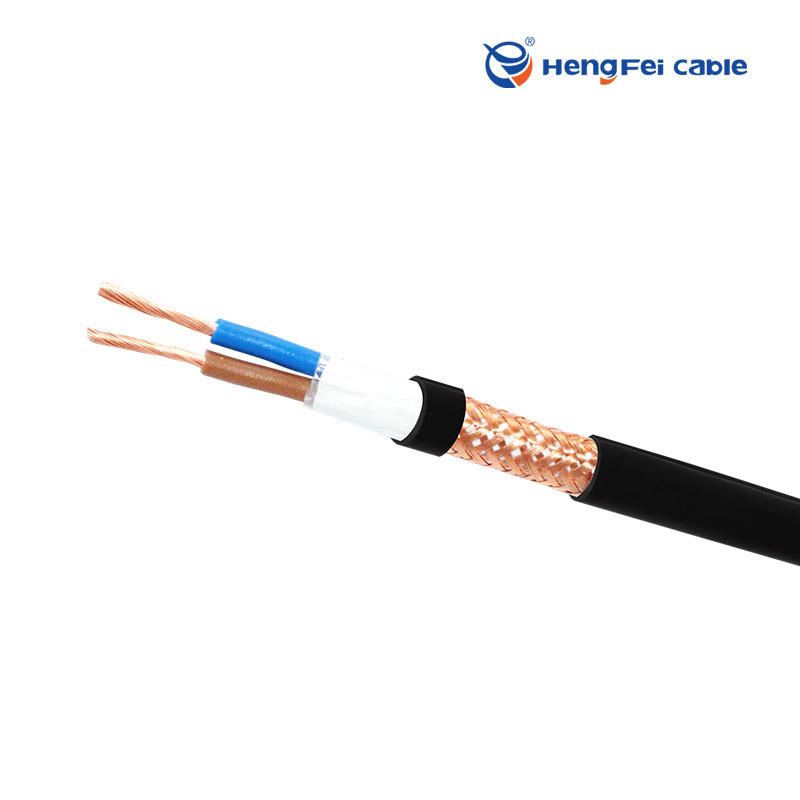
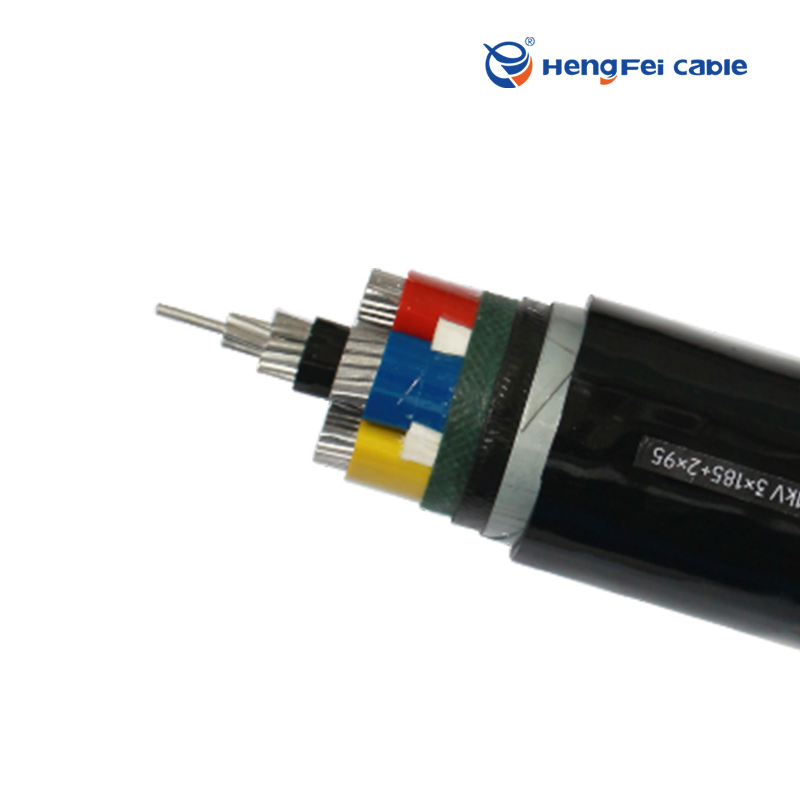
PVC cable (polyvinyl chloride insulated cable) uses PVC as its primary insulation material. It is a thermoplastic that softens when heated and hardens when cooled, making it easy to process and install. PVC has been widely used for decades in low- and medium-voltage applications due to its low cost, basic flame-retardant properties (often improved with additives), and adequate resistance to moisture and chemicals in normal environments.
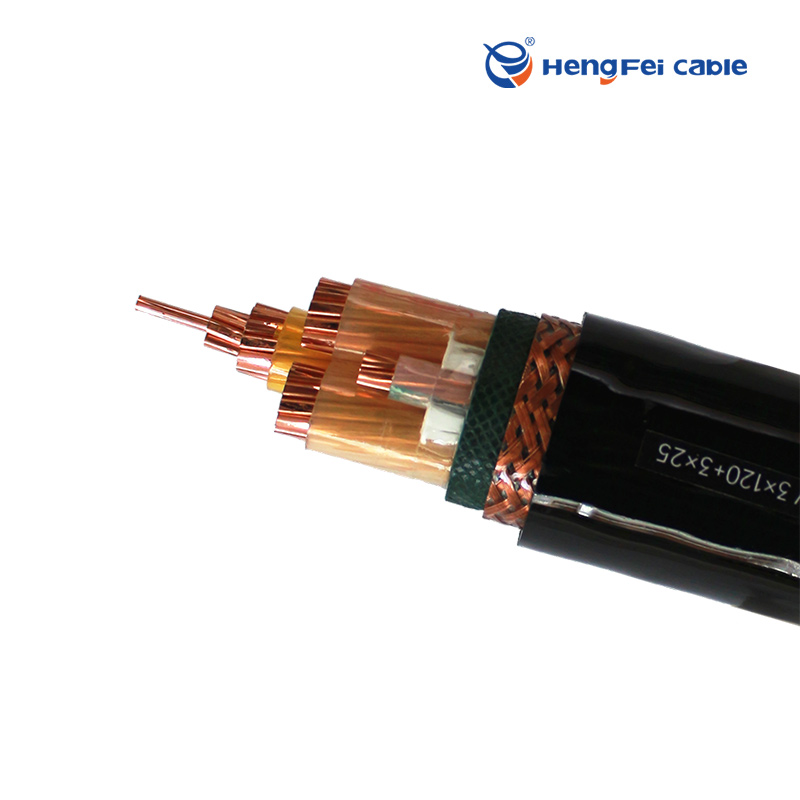
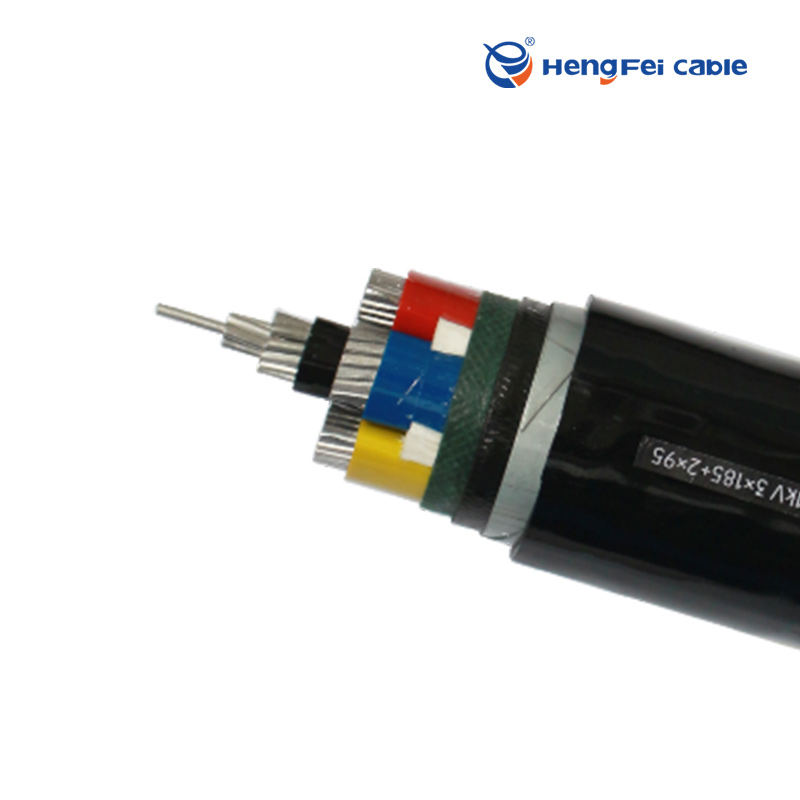
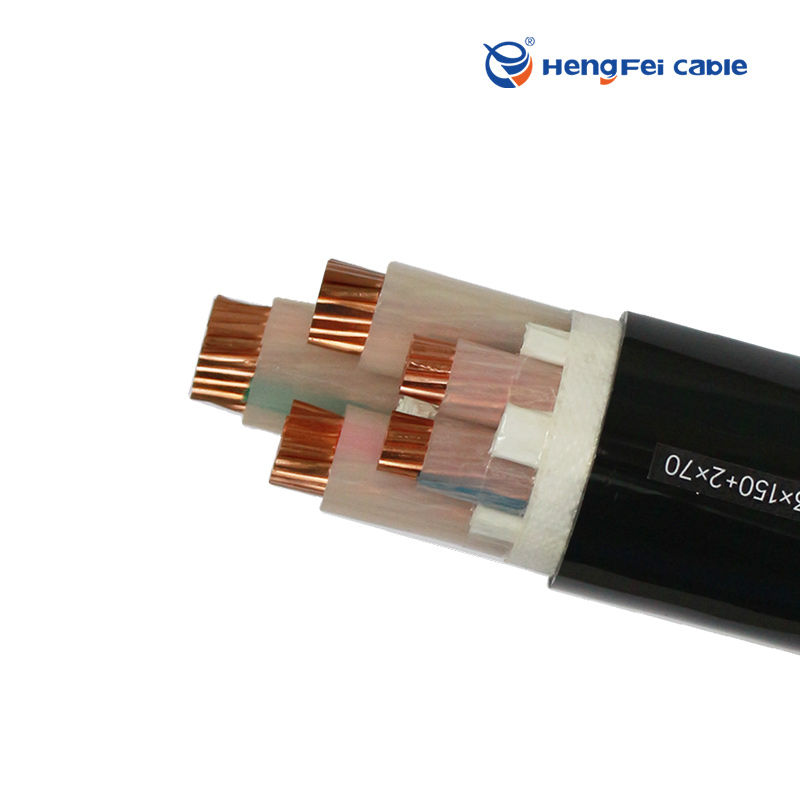
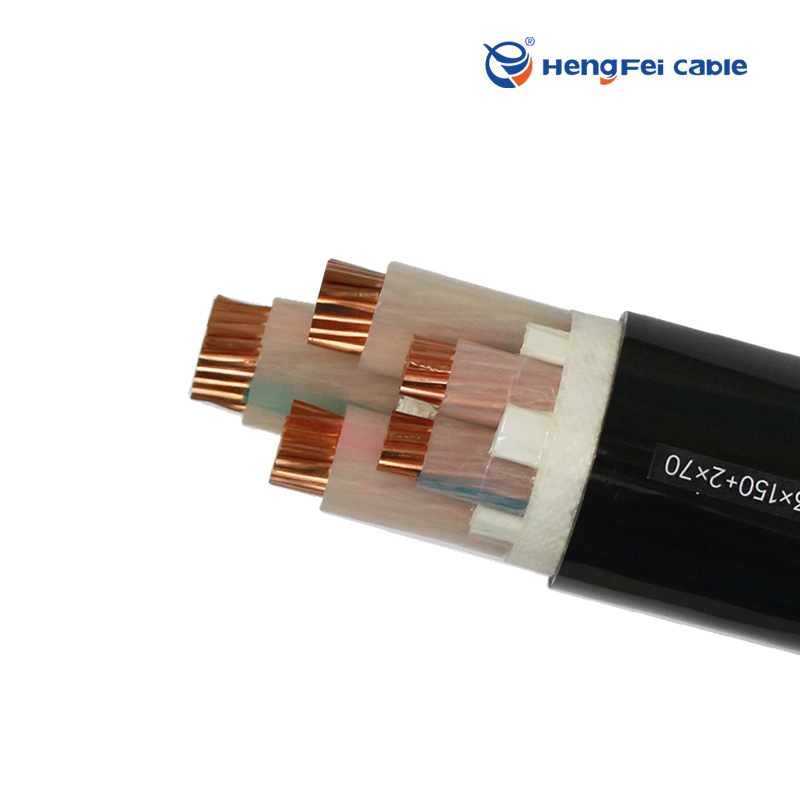
XLPE insulated cable uses cross-linked polyethylene as its insulation material. This is a thermoset polymer formed through a chemical cross-linking process that bonds polyethylene molecules into a stable three-dimensional structure. The result is improved thermal stability, higher mechanical strength, and better resistance to deformation under heat and electrical stress.
In practice, XLPE cables are widely used in modern power transmission and distribution systems because they maintain stable electrical performance under higher loads and harsher conditions, whereas PVC is more suited to general-purpose and lower-demand installations.
Key Differences: A Technical Breakdown
XLPE vs PVC for Underground Applications
Key Differences: A Technical Breakdown
The main differences between PVC and XLPE lie in their material behavior, which directly affects performance in underground and high-temperature applications. Based on IEC and IEEE standards, the key comparisons are as follows:
Temperature Rating: XLPE performs better, with a continuous operating temperature of 90°C and short-circuit resistance up to 250°C (1s). PVC is limited to 70°C continuous and about 160°C under short-circuit conditions. In high-heat environments, XLPE maintains insulation stability and reduces failure risk.
Flame Retardancy: PVC is inherently flame-retardant due to its chlorine content but releases corrosive hydrogen chloride gas during combustion. XLPE is not naturally flame-retardant but can be formulated as flame-retardant or low-smoke halogen-free (LSZH), with better flame propagation performance under IEC 60332-3 tests, making it safer in confined spaces.
Electrical Performance: XLPE provides higher dielectric strength (around 20–25 kV/mm) compared to PVC (15–20 kV/mm), along with lower dielectric loss, making it more efficient for long-distance and high-load transmission.
Mechanical & Chemical Resistance: XLPE has higher tensile strength and better resistance to thermal deformation, environmental stress cracking, oils, and soil chemicals. PVC is less robust under long-term mechanical and chemical stress.
Cost & Lifespan: PVC is cheaper upfront (about 20–40% lower cost), but XLPE offers a significantly longer service life (40+ years vs. 25–30 years), resulting in lower total lifecycle cost.
|
Property |
PVC Insulated Cable |
XLPE Insulated Cable |
|
Max Operating Temp (°C) |
70 |
90 |
|
Short-Circuit Temp (°C) |
160 |
250 |
|
Dielectric Strength (kV/mm) |
15-20 |
20-25 |
|
Flame Retardant Rating |
Good (with additives) |
Moderate (enhanced options) |
|
Chemical Resistance |
Moderate |
High |
|
Typical Cost (per meter, 1kV) |
$0.50-$1.00 |
$0.80-$1.50 |
|
Lifespan (years) |
25-30 |
40+ |
|
Best For |
Indoor, low-voltage |
Underground, high-temp, industrial |
This data underscores why cable manufacturers like HENGFEI Electric often recommend XLPE for demanding applications—it's not just about specs; it's about real-world reliability.
XLPE vs PVC for Underground Applications
Underground power distribution presents challenges such as moisture ingress, soil movement, and long-term chemical corrosion. In field installations within urban trenches, XLPE-insulated cables generally perform better under these conditions.
XLPE offers strong resistance to water treeing—a long-term insulation degradation mechanism in wet environments—and has very low moisture absorption (typically <0.01%), helping maintain insulation integrity over time. PVC, by comparison, has higher moisture absorption and is more susceptible to long-term insulation aging under damp or thermally stressed conditions.
In practice, XLPE also supports higher current-carrying capacity due to better thermal stability, which can allow for smaller conductor sizes and reduced material and trenching costs. PVC is still suitable for shallow burial in dry, low-stress environments, but is more vulnerable to deformation under sustained soil pressure or elevated underground temperatures. In many modern designs, XLPE is also suitable for direct burial applications when properly armored and protected.
XLPE vs PVC for High-Temperature Applications
High-temperature environments—such as industrial facilities, desert climates, or areas near steam lines—require insulation materials with strong thermal stability.
XLPE maintains structural integrity at elevated temperatures due to its cross-linked molecular structure, avoiding the softening behavior typical of thermoplastic PVC. It can operate continuously at 90°C and withstand short-term overload conditions without significant loss of electrical performance.
PVC, on the other hand, is limited to around 70°C and may experience insulation softening or accelerated aging under sustained heat. In industrial field applications, this can lead to premature insulation failure, especially under repeated thermal cycling.
XLPE also offers better overload performance (typically 150–200% for short durations), improving system resilience during peak demand. For higher fire safety requirements, XLPE can be produced in flame-retardant or low-smoke halogen-free (LSZH) versions compliant with IEC 60332-3, making it more suitable for confined or high-risk environments.
Which Cable Wins?
For underground and high-temperature applications, XLPE-insulated cable is generally the preferred choice due to its superior thermal performance, stronger insulation stability, improved mechanical resistance, and longer service life in power distribution systems.
However, PVC cables still remain suitable for cost-sensitive and low-demand environments, particularly in indoor installations or short-distance, low-temperature applications where operating conditions are stable.
In practice, the right selection depends on project requirements such as voltage level, installation environment, thermal load, safety standards, and total lifecycle cost. It is always recommended to evaluate options in line with IEC/ASTM standards and validate performance through proper testing.
For project-specific requirements, working with qualified cable suppliers or manufacturers can help ensure the most suitable technical solution is selected—balancing performance, safety, and cost efficiency in real-world applications.