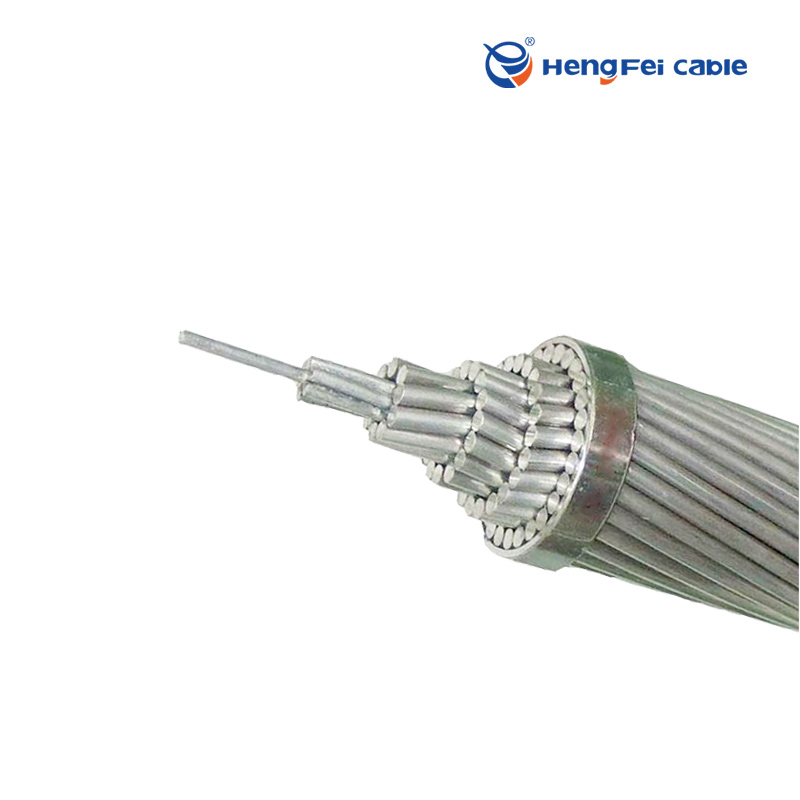
The conductor is one of the most important components of an electrical cable, and its size directly affects cable performance, safety, efficiency, and service life. Choosing the correct conductor size ensures reliable power transmission while reducing energy losses and preventing overheating.
Whether used in industrial power systems, renewable energy projects, buildings, or electrical equipment, proper conductor sizing is essential for achieving the right balance between performance and cost.
What Is Conductor Size?
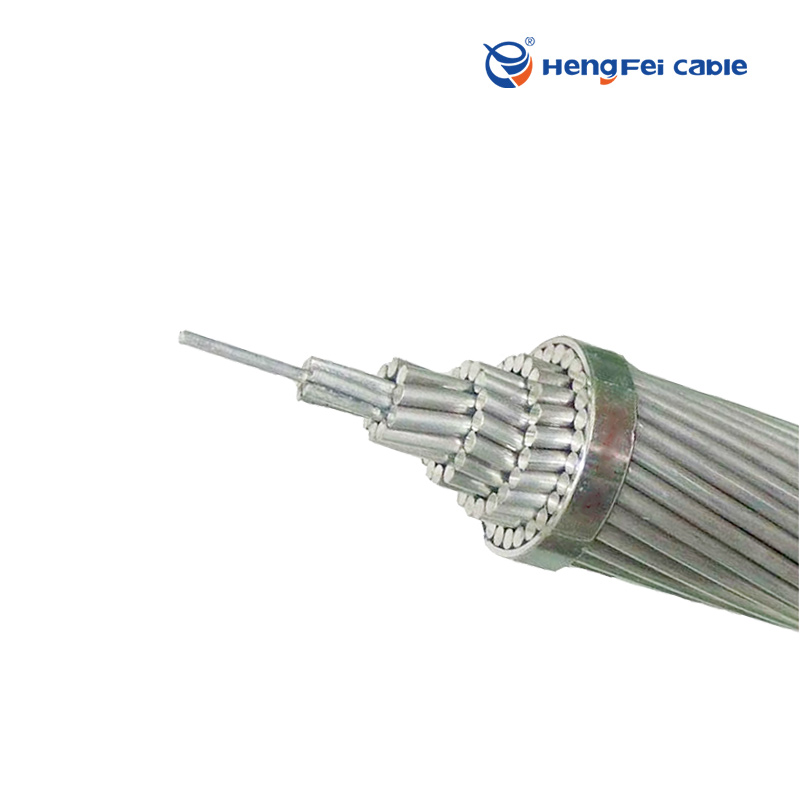
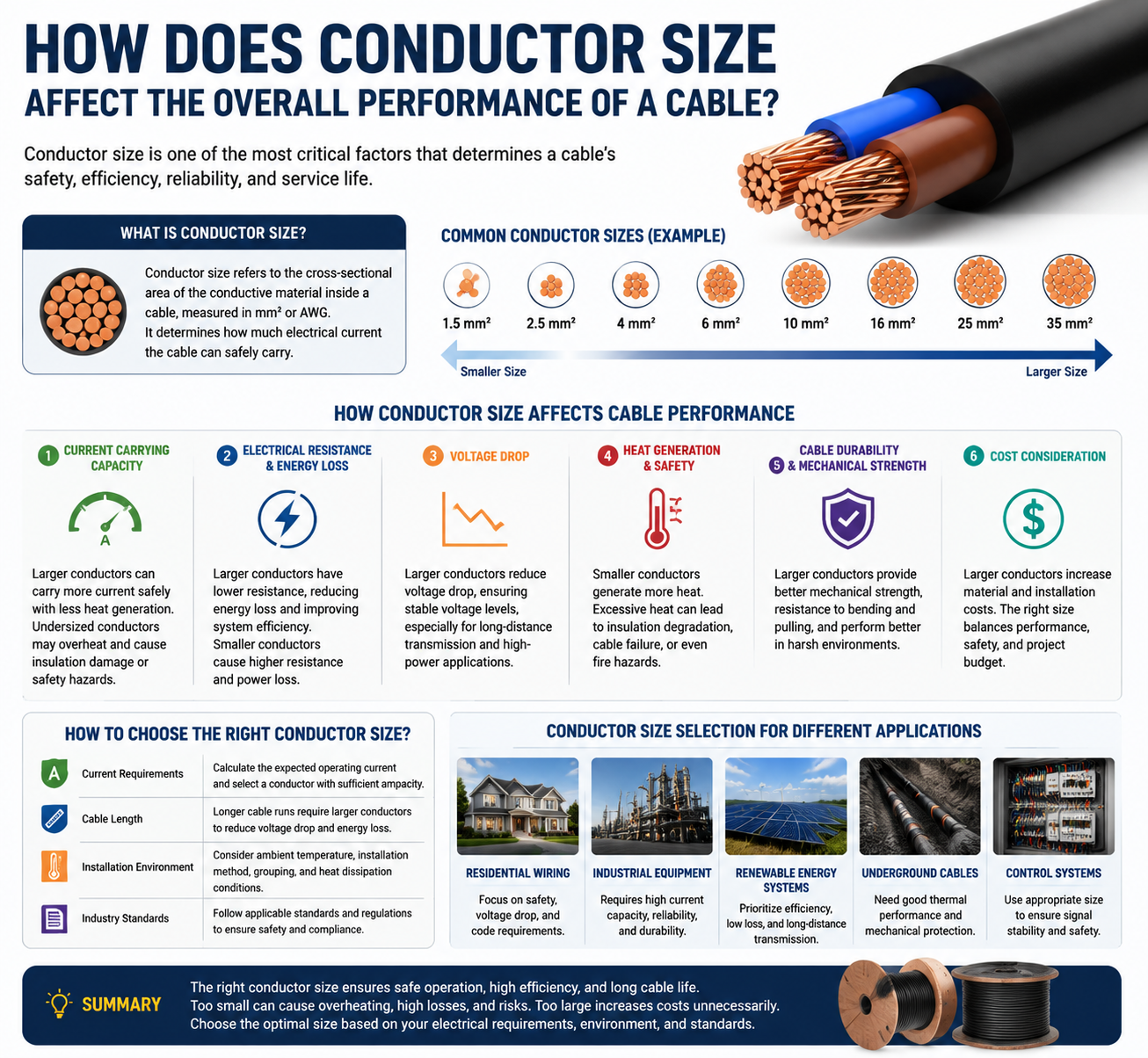
Conductor size refers to the cross-sectional area of the conductive material inside a cable, usually measured in square millimeters (mm²) or American Wire Gauge (AWG). It determines how much electrical current the cable can safely carry.
A larger conductor contains more conductive material, allowing electricity to flow with lower resistance. A smaller conductor has higher resistance and may experience greater heat generation when carrying high currents.
1. Impact on Current Carrying Capacity
One of the most important effects of conductor size is its influence on current carrying capacity (ampacity).
Larger conductors can carry higher electrical currents because they generate less heat during operation. This makes them suitable for high-power applications such as industrial machinery, power distribution systems, and renewable energy installations.
In contrast, undersized conductors may not handle the required current, causing excessive temperature rise, insulation damage, and potential safety risks.
2. Effect on Electrical Resistance and Energy Loss
Conductor size directly affects electrical resistance. A larger conductor has lower resistance, allowing current to flow more efficiently with reduced energy loss.
When resistance is high, more electrical energy is converted into heat, leading to:
-
Higher power losses
-
Reduced system efficiency
-
Increased operating temperature
-
Shorter cable lifespan
Using an appropriately sized conductor helps minimize voltage drop and improve overall electrical performance.
3. Influence on Voltage Drop
Voltage drop occurs when electrical energy is lost as current travels through a cable. The longer the cable distance and the higher the current, the more important conductor size becomes.
Larger conductors reduce resistance and help maintain stable voltage levels, which is especially important for:
-
Long-distance power transmission
-
Solar and wind energy systems
-
Electric vehicle charging stations
-
Industrial automation equipment
Proper conductor sizing improves equipment performance and prevents voltage-related problems
4. Impact on Heat Generation and Safety
Heat is one of the biggest concerns in cable design. When current passes through a conductor, resistance generates heat. Smaller conductors produce more heat because of their higher resistance.
If the operating temperature exceeds the cable insulation rating, it can lead to:
-
Insulation degradation
-
Cable failure
-
Fire hazards
-
Reduced service life
Larger conductors provide better thermal performance and allow safer operation under demanding conditions.
5. Effect on Cable Durability
Conductor size also influences the mechanical strength and durability of a cable.
Larger conductors generally provide:
-
Higher mechanical strength
-
Better resistance to bending and pulling forces
-
Improved performance in harsh environments
For applications such as underground cables, industrial facilities, and outdoor transmission lines, selecting the correct conductor size helps ensure long-term reliability.
6. Relationship Between Conductor Size and Cost
Although larger conductors provide better electrical performance, they also increase material and installation costs.
A larger cable requires:
-
More copper or aluminum material
-
Larger cable trays and accessories
-
More complex installation processes
Therefore, cable selection should balance electrical requirements, safety standards, and project budget. Oversized cables may create unnecessary expenses, while undersized cables can result in performance problems and higher maintenance costs.
How to Choose the Right Conductor Size?
Selecting the correct conductor size depends on several factors:
1. Current Requirements
Calculate the expected operating current and select a conductor with sufficient ampacity.
2. Cable Length
Longer cable runs require larger conductors to reduce voltage drop and energy loss.
3. Installation Environment
Consider factors such as:
-
Ambient temperature
-
Cable installation method
-
Number of cables grouped together
-
Heat dissipation conditions
These conditions can affect the actual current-carrying capability of a cable. (全球电气工程研究所)
4. Industry Standards
Electrical projects must follow applicable standards and regulations to ensure safety and compliance. Different applications, including residential wiring, industrial systems, and power transmission networks, may require different conductor sizing guidelines.
Conductor Size Selection for Different Applications
| Application | Recommended Consideration |
|---|---|
| Residential Wiring | Safety, voltage drop, code requirements |
| Industrial Equipment | High current capacity and durability |
| Renewable Energy Systems | Efficiency and long-distance transmission |
| Underground Cables | Thermal performance and mechanical protection |
| Control Systems | Signal stability and appropriate conductor size |
Conclusion
Conductor size plays a critical role in determining cable performance. The right conductor size improves current carrying capacity, reduces energy losses, minimizes voltage drop, enhances safety, and extends cable service life.
Choosing a cable that is too small can lead to overheating and reliability issues, while choosing an excessively large cable can increase unnecessary costs. By considering electrical requirements, installation conditions, and industry standards, engineers can select the optimal conductor size for safe and efficient power transmission.