Types of Conductors Used in Overhead Power Lines
A conductor is one of the most critical components of overhead transmission and distribution lines. Selecting the appropriate conductor type is as important as determining the optimal conductor size and economic transmission voltage.
A suitable overhead conductor should have the following key properties:
- High electrical conductivity for efficient power transfer
- High tensile strength to withstand mechanical and environmental stresses
- Low weight per unit length to reduce sag and structural loading
- Reasonable cost without significantly compromising performance
Conductor MaterialsCopper was widely used as the preferred material for overhead conductors in earlier power systems. However, it has largely been replaced by aluminum due to aluminum’s significantly lower cost and much lighter weight for conductors with the same electrical resistance.
Common conductor materials include:
Copper:
Copper offers excellent electrical conductivity and high tensile strength, especially in hard-drawn stranded form. It also allows higher current density, meaning more current can be carried per unit cross-sectional area, resulting in relatively smaller conductor sizes. In addition, copper is durable and has high scrap value. However, due to its high cost and limited availability, it is now rarely used in overhead transmission lines.Aluminum:
Aluminum has about 60% of the conductivity of copper, meaning a larger cross-sectional area is required for the same resistance. However, it weighs only about half as much as copper, making it highly suitable for overhead applications. Although its tensile strength is lower than copper, its low cost, light weight, and acceptable conductivity give it a clear advantage in modern transmission systems. As a result, aluminum is the most widely used material for overhead conductors today.Cadmium-Copper:
Cadmium-copper alloys typically contain 98–99% copper with up to 1.5% cadmium. Adding around 1% cadmium can increase tensile strength by up to 50%, while reducing conductivity by only about 15%. This makes it suitable for long-span applications. However, due to the high cost of cadmium, its use is limited to special cases where mechanical strength is critical.Other Materials:
Other conductive materials include silver, steel, and special alloys. Silver has higher conductivity than copper but is too expensive for practical use. Steel provides very high tensile strength but poor conductivity, making it unsuitable as a primary conductor for efficient power transmission. High-strength alloys such as phosphor bronze may be used in niche or extreme operating conditions where mechanical requirements dominate.Types of Conductors
As discussed earlier, aluminum conductors have largely replaced copper in overhead power systems due to their optimal balance of cost, weight, conductivity, and mechanical performance. Although aluminum requires a larger diameter for the same resistance as copper, this also helps reduce corona discharge, which decreases with increased conductor diameter.
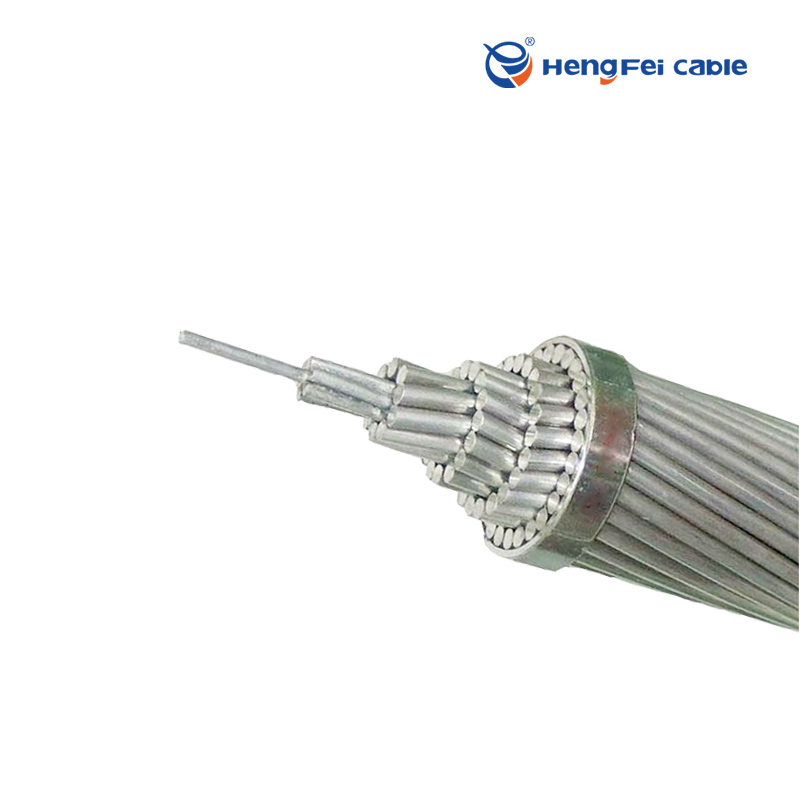
For this reason, aluminum-based stranded conductors dominate modern overhead transmission and distribution systems. Stranding is essential because it improves flexibility and reduces the risk of fatigue failure caused by wind-induced vibration, which can occur in solid conductors.
The four most common types of overhead conductors are:
- AAC (All Aluminum Conductor)
- AAAC (All Aluminum Alloy Conductor)
- ACSR (Aluminum Conductor Steel Reinforced)
- ACAR (Aluminum Conductor Alloy Reinforced)
AAC (All Aluminum Conductor)
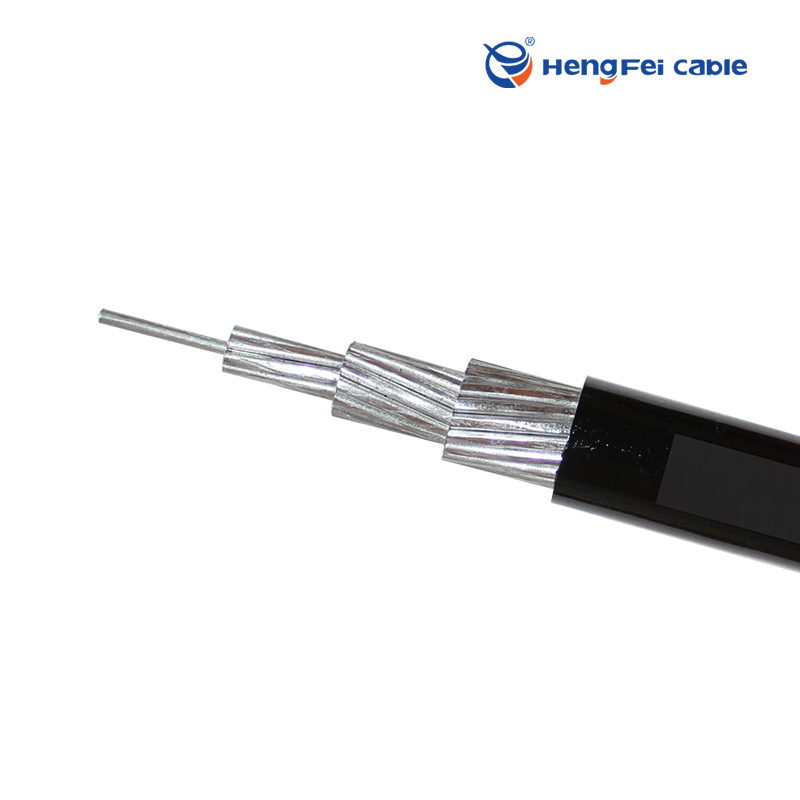
AAC, also known as ASC (Aluminum Stranded Conductor), is made from EC-grade aluminum strands. It has a conductivity of about 61% IACS.
While it provides good electrical performance, its relatively low mechanical strength limits its use mainly to urban distribution networks with short spans. It is less suitable for long transmission lines due to higher sag under tension.
AAAC (All Aluminum Alloy Conductor)
AAAC is made from aluminum alloy 6201 (Al-Mg-Si), which offers improved mechanical strength compared to AAC while maintaining good conductivity (around 52.5% IACS).
Due to its lighter weight and good corrosion resistance, AAAC is widely used in distribution systems and is especially suitable for coastal environments. However, it is less commonly used in long-span transmission lines where higher mechanical strength is required.
ACSR (Aluminum Conductor Steel Reinforced)
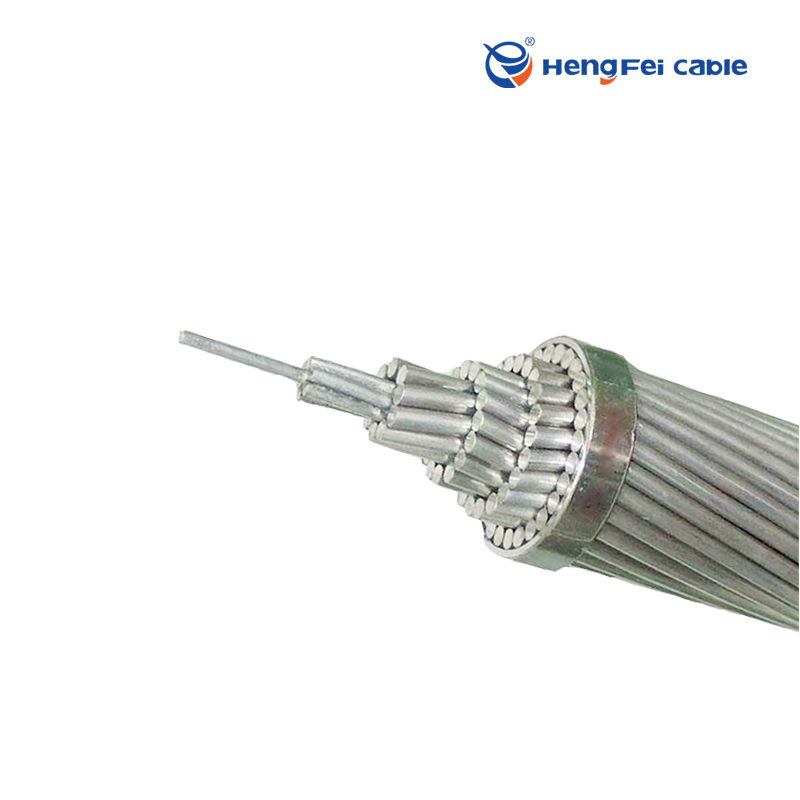
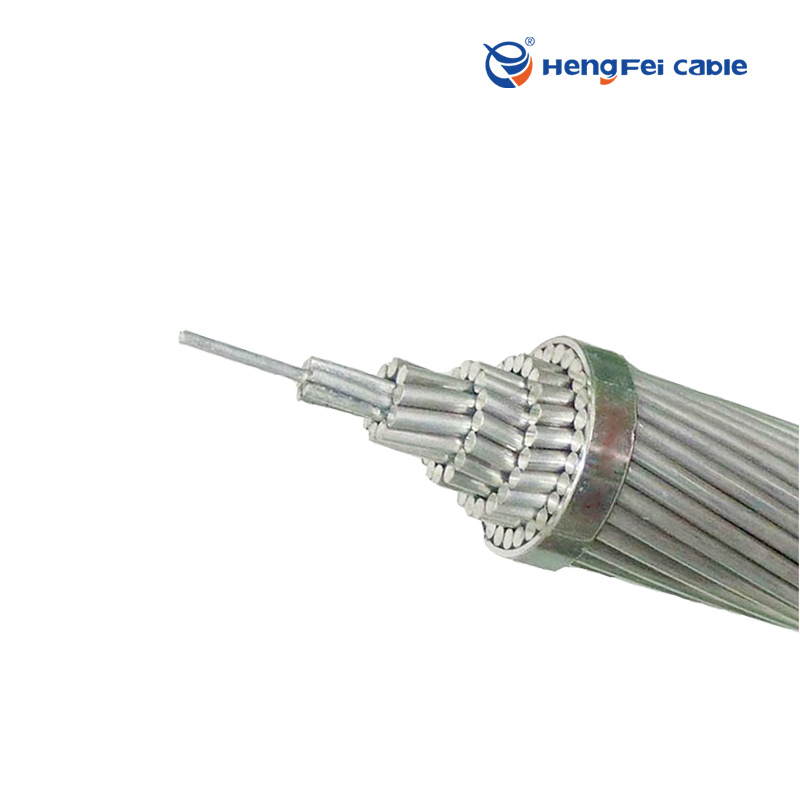
ACSR consists of a central steel core surrounded by layers of high-purity aluminum (Al 1350). The steel core provides high tensile strength, while aluminum provides conductivity. The steel may be galvanized or aluminized for corrosion protection.
ACSR conductors are available in a wide range of steel content (typically 6%–40%), allowing engineers to select conductors based on mechanical requirements such as long spans, river crossings, and high wind or ice loading conditions. Due to its excellent strength-to-cost ratio, ACSR is the most widely used conductor type for overhead transmission systems.
ACAR (Aluminum Conductor Alloy Reinforced)
ACAR consists of high-purity aluminum strands combined with a high-strength aluminum alloy core (Al-Mg-Si, 6201).
Compared to ACSR, ACAR offers a better balance of electrical conductivity and mechanical strength, with improved corrosion resistance since it does not use steel. It is used in both transmission and distribution applications where a combination of efficiency, strength, and corrosion performance is required.
Summary
In modern overhead systems, conductor selection is driven by a balance of electrical efficiency, mechanical strength, environmental conditions, and cost. Among aluminum-based options, ACSR remains the most widely used for transmission, while AAAC and ACAR are increasingly preferred in corrosion-prone and optimized-performance applications.