Power Cord vs Power Cable: What's the Difference?
Although the terms power cord and power cable are often used interchangeably, they refer to different products with distinct applications.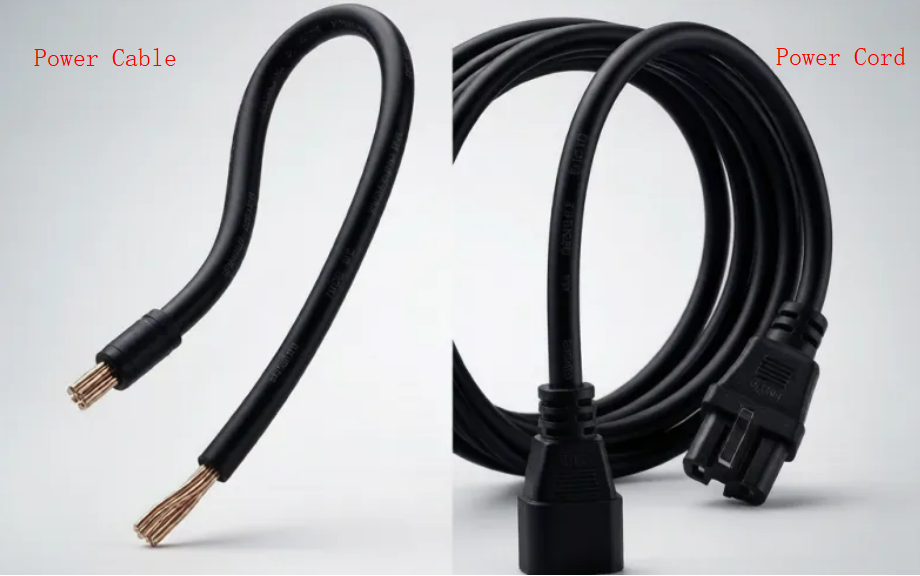
|
Feature |
Power Cord |
Power Cable |
|
Purpose |
Connects electrical devices to a power outlet |
Transmits electrical power within fixed systems or infrastructure |
|
Installation |
Temporary and detachable |
Permanent or semi-permanent |
|
Flexibility |
Highly flexible for frequent movement |
Generally less flexible and designed for fixed installation |
|
Connectors |
Usually equipped with plugs and connectors on one or both ends |
Often terminated by installers rather than supplied with plugs |
|
Voltage/Current Capacity |
Typically low to medium voltage (e.g., household appliances) |
Can handle low, medium, or high voltage and larger current loads |
|
Typical Applications |
Computers, televisions, kitchen appliances, power tools |
Building wiring, industrial machinery, power distribution networks |
|
Construction |
Fine-stranded conductors with lightweight insulation |
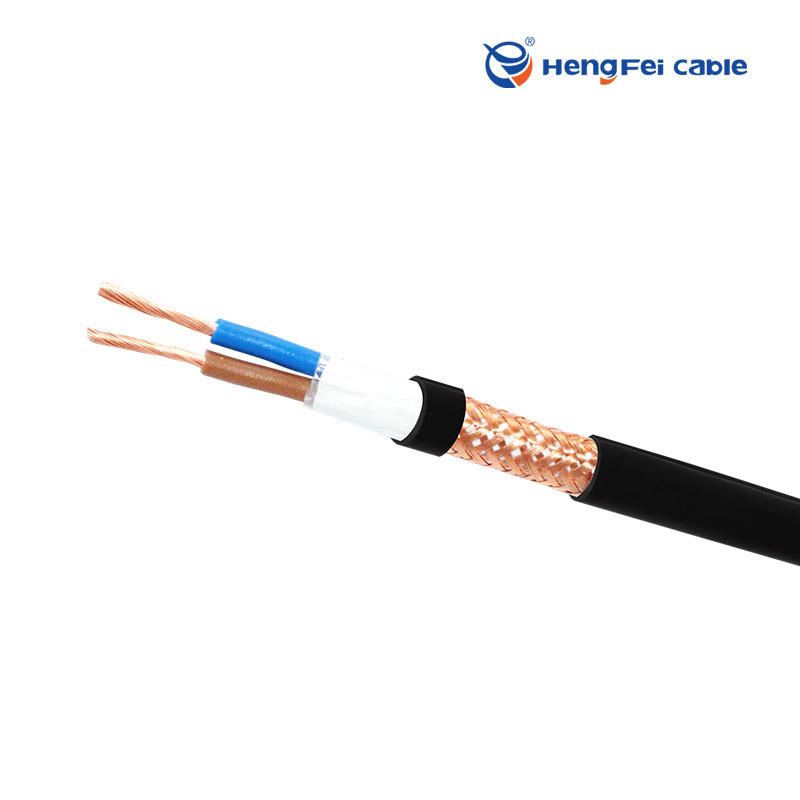
Thicker insulation, multiple protective layers, and sometimes armor |
|
Replacement |
Easily replaced by users |
Replacement usually requires professional installation |
What Is a Power Cable?
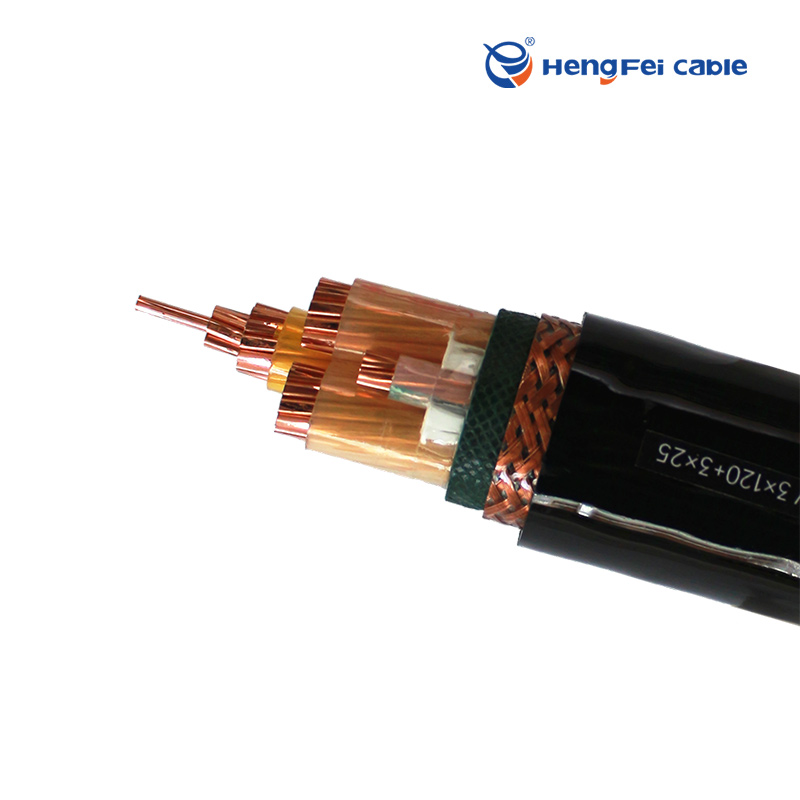
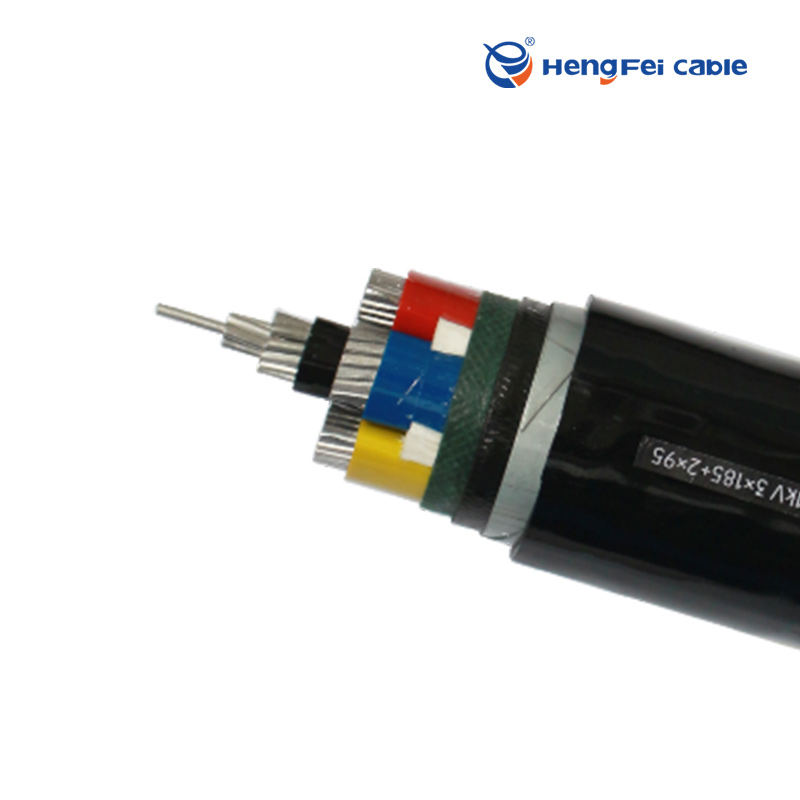
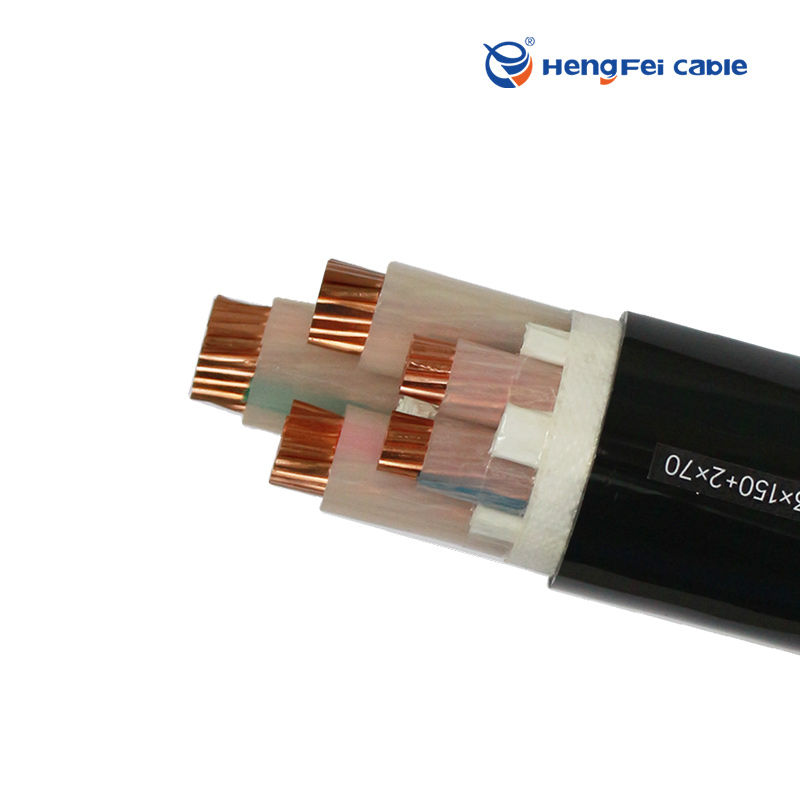
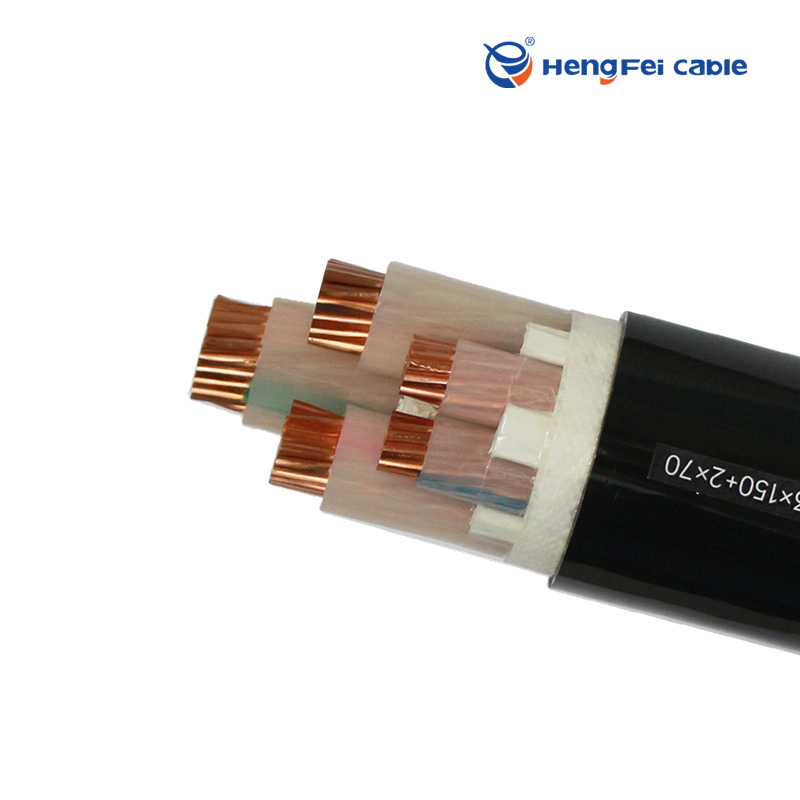
A power cable is an electrical cable intended to transmit and distribute electricity within fixed installations. These cables are typically installed by electricians and are not intended for routine disconnection.
Common examples include:
- Building power distribution cables
- Underground utility cables
- Industrial machine supply cables
- Armored power cables used outdoors
Power cables emphasize durability, higher power capacity, and environmental resistance, making them suitable for demanding industrial and infrastructure applications.
What Is a Power Cord?
A power cord is a flexible, detachable assembly designed to connect portable equipment to an electrical outlet. It normally includes a plug that fits the wall socket and a connector that mates with the device.
Common examples include:
- Computer power cords
- Monitor power cords
- Appliance cords for coffee makers and microwaves
- Extension cords
Power cords prioritize flexibility, portability, and convenience. They are designed to withstand repeated bending and unplugging. (Sxpowercase.com)
Key Differences
- Mobility
- Power cords are portable and detachable.
- Power cables are usually fixed in place.
- Construction
- Power cords use flexible stranded conductors and lighter insulation.
- Power cables often feature heavier insulation, multiple cores, shielding, or armor for mechanical protection.
- Electrical Capacity
- Power cords are commonly used for voltages up to 250V in residential and commercial equipment.
- Power cables can range from 450/750V low-voltage cables to medium- and high-voltage transmission cables.
- Applications
- Power cords: consumer electronics, office equipment, household appliances.
- Power cables: factories, construction projects, utility systems, and industrial automation.
How to Choose Between Them
Choose a power cord if you need:
- A removable connection
- Flexibility and portability
- Powering household or office equipment
Choose a power cable if you need:
- Permanent installation
- Higher current or voltage capacity
- Enhanced protection against heat, moisture, chemicals, or mechanical stress