Power Cables Explained: Types, Applications, and How to Choose the Right Cable
Electricity powers nearly every aspect of modern life, from household appliances and office equipment to industrial machinery and renewable energy systems. Behind this reliable flow of energy is a critical component that often goes unnoticed: the power cable. Selecting the right power cable is essential for ensuring safety, efficiency, and long-term performance.
In this guide, we'll explore what power cables are, the different types available, their applications, and the key factors to consider when choosing the right cable for your project.
What Is a Power Cable?
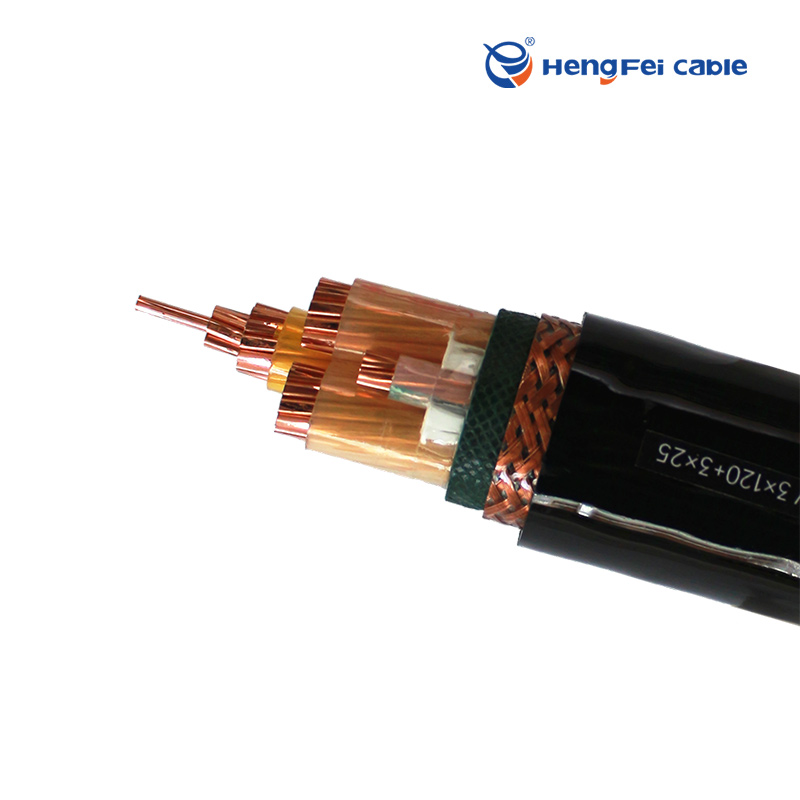
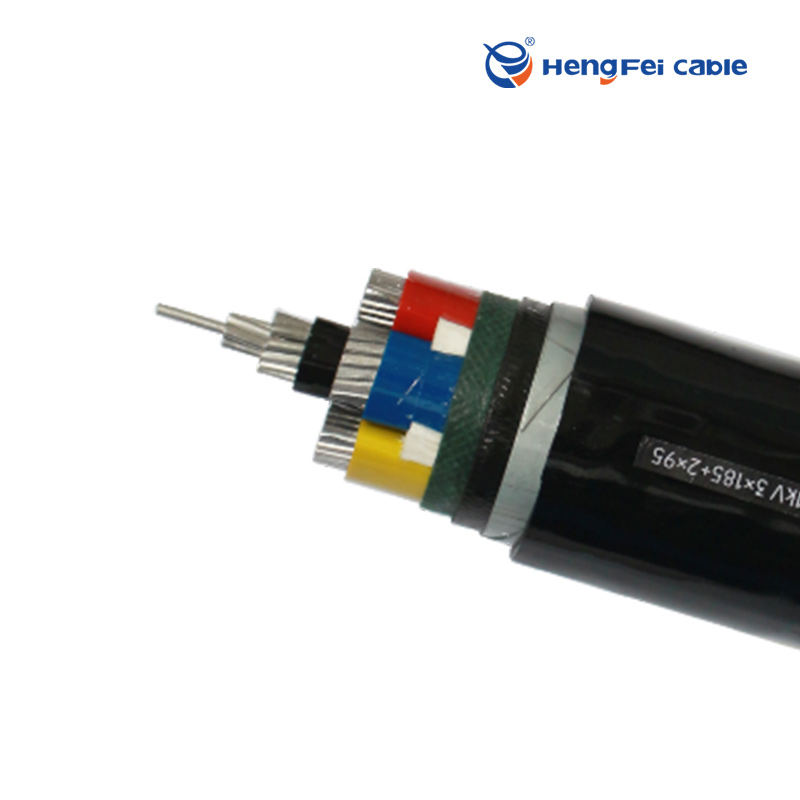
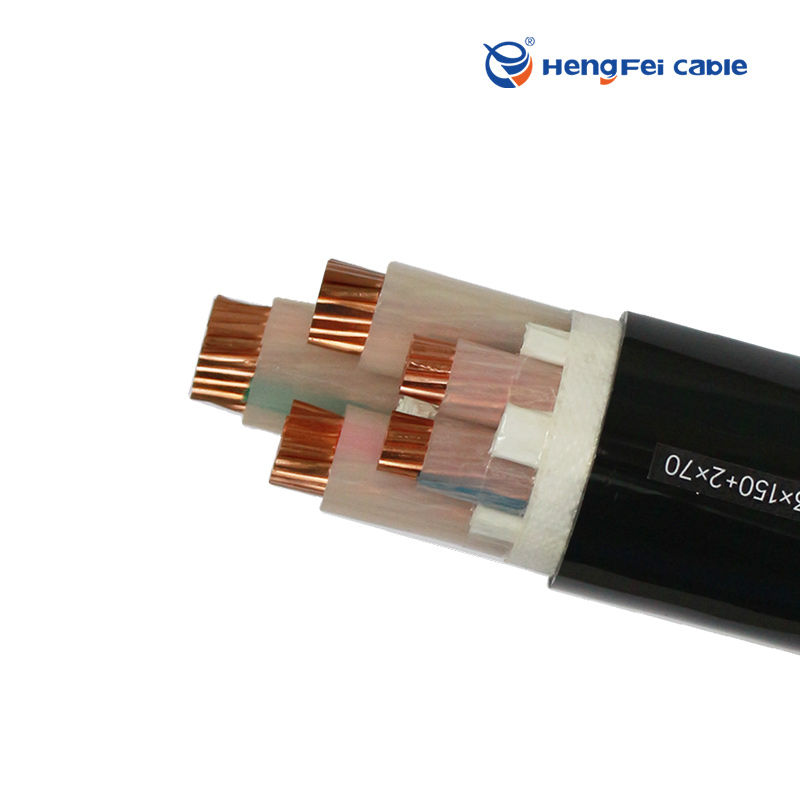
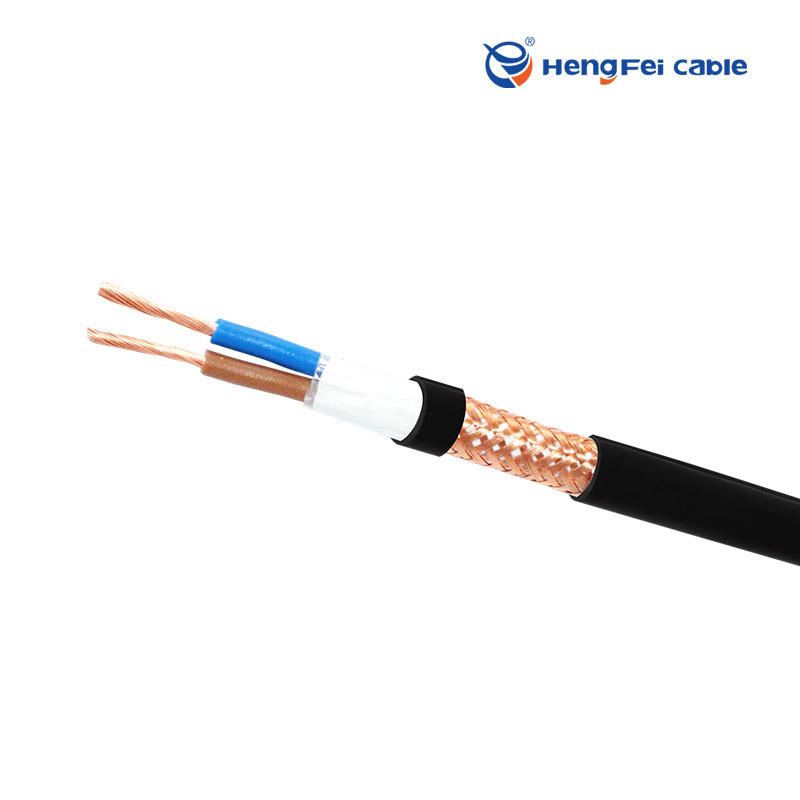
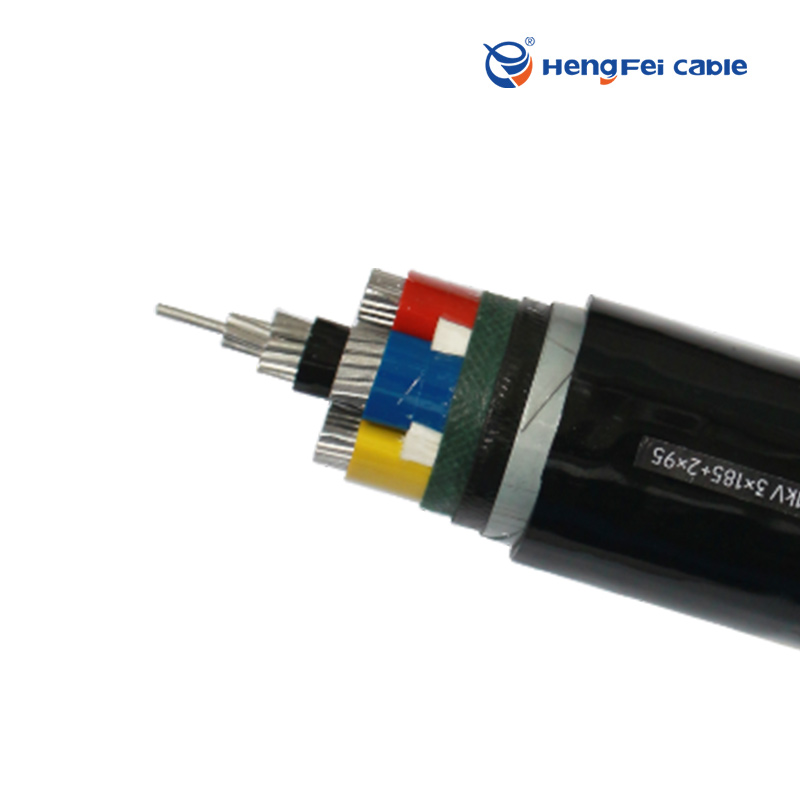
A power cable is an electrical cable designed to transmit electrical energy from one point to another. It consists of one or more conductors, insulation materials, protective coverings, and sometimes shielding or armoring. Power cables are used in residential, commercial, industrial, and utility applications to deliver electricity safely and efficiently.
Unlike communication cables, which transmit data signals, power cables are specifically engineered to handle electrical loads ranging from low-voltage household circuits to high-voltage transmission systems.
Main Components of a Power Cable
Understanding the structure of a power cable can help users choose the most suitable option for their needs.
Conductor
The conductor is the core component responsible for carrying electric current. The most common conductor materials include:
-
Copper: Offers excellent electrical conductivity, flexibility, and durability. It is widely used in residential and industrial applications.
-
Aluminum: Lighter and more cost-effective than copper. It is often used in utility and large-scale power distribution systems.
Conductors may be solid or stranded. Stranded conductors provide greater flexibility and are preferred for applications involving movement or vibration.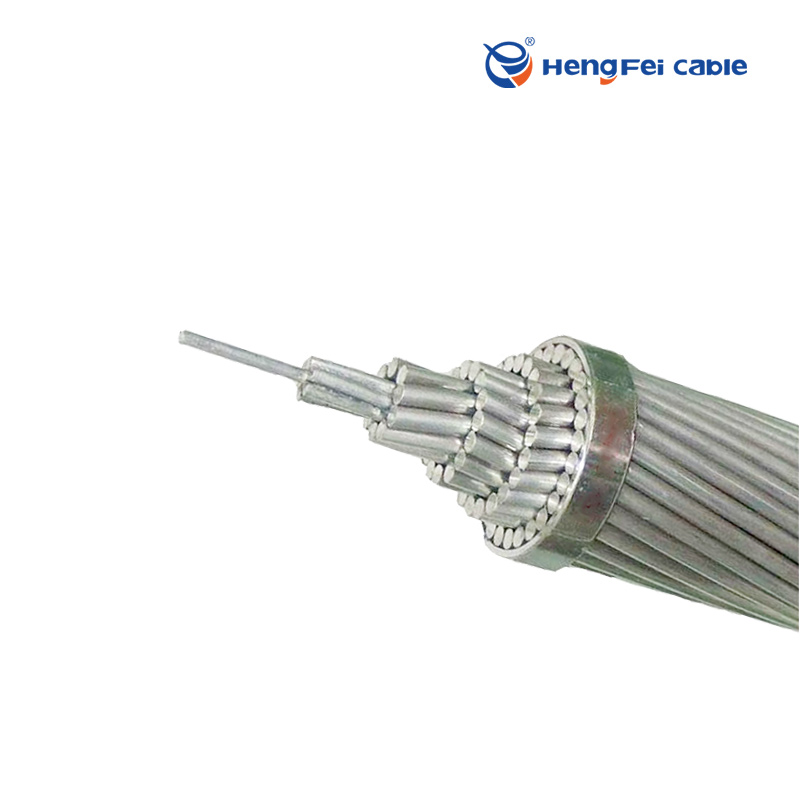
Insulation
Insulation surrounds the conductor and prevents electrical leakage and short circuits. Common insulation materials include:
-
PVC (Polyvinyl Chloride)
-
XLPE (Cross-Linked Polyethylene)
-
EPR (Ethylene Propylene Rubber)
-
PE (Polyethylene)
The choice of insulation depends on factors such as temperature resistance, environmental conditions, and voltage requirements.
Filler and Inner Sheath
In multi-core cables, fillers maintain the cable's shape and provide mechanical stability. The inner sheath protects insulated conductors from damage.
Armoring
Armored cables include a protective metallic layer designed to resist mechanical impact, crushing forces, and rodent attacks. Common armoring materials include steel wire and steel tape.
Outer Sheath
The outer sheath provides protection against moisture, chemicals, UV radiation, abrasion, and environmental exposure. It also contributes to the cable's overall durability.
Types of Power Cables
Power cables are classified according to voltage level, construction, insulation type, and intended application.
Low-Voltage Power Cables
Low-voltage (LV) cables typically operate at voltages up to 1 kV. They are commonly used in:
-
Residential wiring
-
Lighting systems
-
Small industrial equipment
LV cables are often insulated with PVC or XLPE and are available in both armored and unarmored versions.
Medium-Voltage Power Cables
Medium-voltage (MV) cables generally operate between 1 kV and 35 kV. These cables are designed for:
-
Utility substations
-
Distribution networks
MV cables often include shielding layers to manage electrical stress and improve operational safety.
High-Voltage Power Cables
High-voltage (HV) cables transmit electricity at voltages exceeding 35 kV. They play a vital role in:
-
Power transmission networks
-
Utility infrastructure
-
Large industrial operations
HV cables require advanced insulation systems and stringent quality control during manufacturing.
Flexible Power Cables
Flexible cables feature finely stranded conductors that allow repeated bending and movement. Typical applications include:
-
Portable equipment
-
Power tools
-
Robotics
-
Construction machinery
Their flexibility enhances usability without compromising electrical performance.
Armored Power Cables
Armored cables offer enhanced protection in harsh environments. They are commonly installed in:
-
Underground systems
-
Industrial plants
-
Outdoor applications
The armor layer minimizes the risk of mechanical damage during installation and operation.
Unarmored Power Cables
Unarmored cables are lighter and more economical than armored alternatives. They are suitable for installations where additional mechanical protection is unnecessary, such as indoor cable trays and conduits.
Power Cable Applications
Power cables support a broad range of industries and environments.
Residential Applications
In homes, power cables distribute electricity to outlets, lighting fixtures, heating systems, and household appliances. Safety and compliance with local electrical codes are critical considerations.
Commercial Buildings
Office complexes, shopping centers, hotels, and educational institutions rely on power cables for lighting, HVAC systems, elevators, and electronic equipment.
Industrial Facilities
Manufacturing plants require specialized cables capable of handling demanding operating conditions, including high temperatures, oil exposure, vibration, and mechanical stress.
Renewable Energy Systems
Solar farms and wind power installations depend on durable power cables to transfer generated electricity to inverters, transformers, and utility grids.
Infrastructure Projects
Airports, railways, tunnels, and public utilities use power cables to support essential operations and maintain uninterrupted service.
Utility Networks
Electric utilities rely on medium- and high-voltage power cables to distribute electricity across cities, regions, and countries.
Common Power Cable Insulation Types
The insulation material significantly affects a cable's performance characteristics.
PVC Insulated Cables
PVC cables are among the most widely used due to their affordability and versatility.
Advantages:
-
Cost-effective
-
Good chemical resistance
-
Easy to install
Limitations:
-
Lower temperature tolerance compared with XLPE
-
Limited performance under extreme conditions
XLPE Insulated Cables
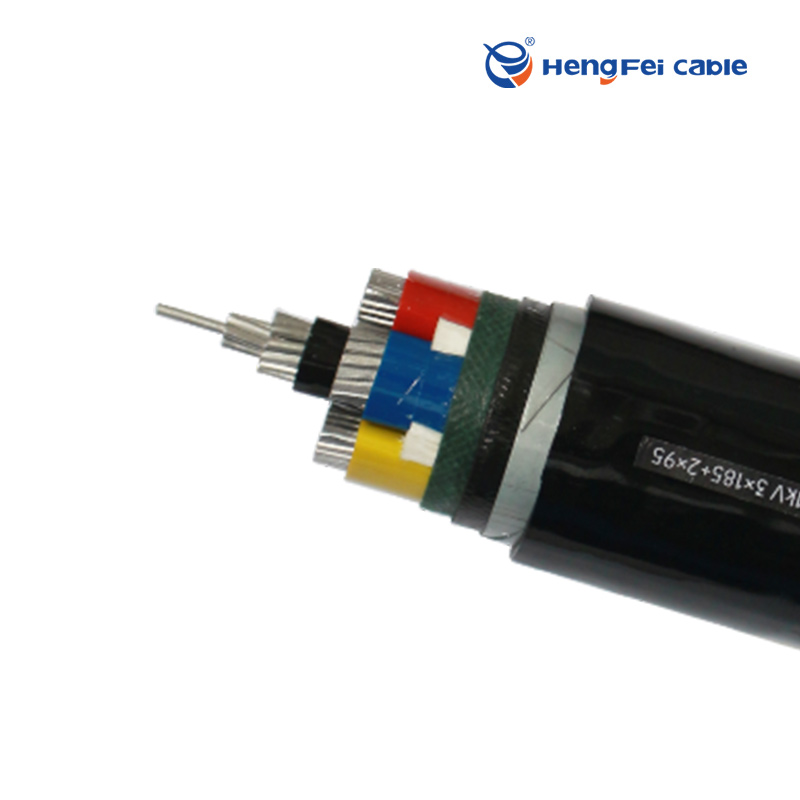
XLPE insulation provides excellent thermal and electrical properties.
Advantages:
-
Higher current-carrying capacity
-
Improved temperature resistance
-
Lower dielectric losses
-
Longer service life
Applications:
-
Industrial facilities
-
Utility distribution systems
-
Renewable energy projects
Rubber Insulated Cables
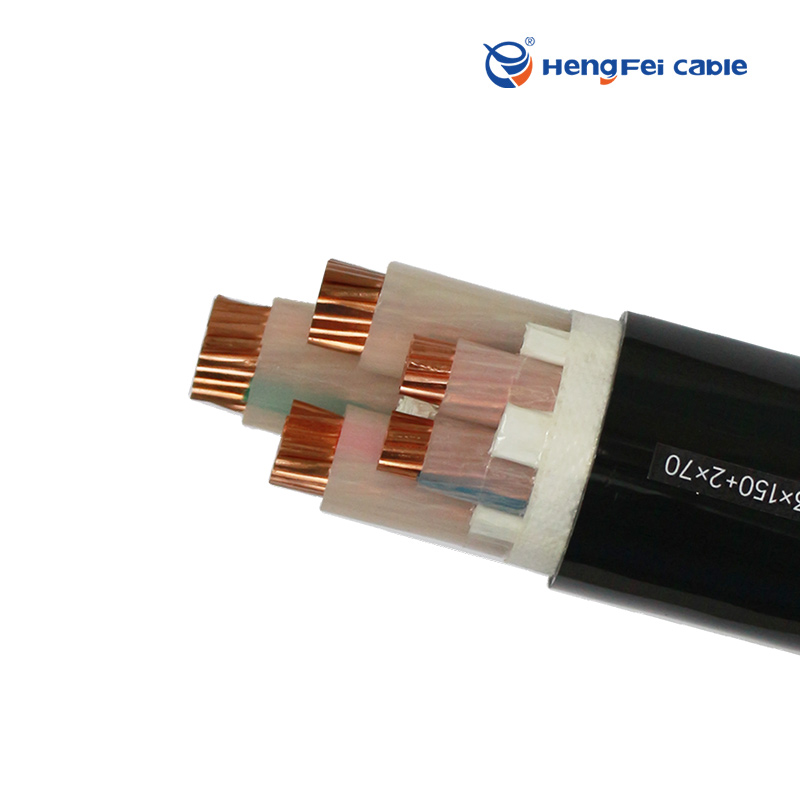
Rubber-insulated cables offer outstanding flexibility and durability.
Advantages:
-
Excellent flexibility
-
Good resistance to moisture
-
Suitable for dynamic applications
Applications:
-
Portable equipment
-
Construction sites
-
Mining machinery
Factors to Consider When Choosing a Power Cable
Selecting the correct power cable involves evaluating multiple technical and environmental factors.
Voltage Rating
The cable must be rated for the system voltage. Using an undersized cable can lead to insulation failure and safety hazards.
Current-Carrying Capacity
Also known as ampacity, this refers to the maximum current a cable can safely carry without overheating.
Factors influencing ampacity include:
-
Conductor size
-
Installation method
-
Ambient temperature
-
Grouping of cables
Installation Environment
Environmental conditions have a major impact on cable selection.
Consider whether the cable will be exposed to:
-
Moisture
-
Chemicals
-
UV radiation
-
Extreme temperatures
-
Mechanical stress
Outdoor and underground applications often require specialized sheathing or armoring.
Conductor Material
Copper offers superior conductivity and flexibility, while aluminum provides weight and cost advantages. The choice depends on project requirements and budget constraints.
Flexibility Requirements
Applications involving continuous movement or vibration require flexible cable designs with stranded conductors.
Fire Performance
In certain environments, such as hospitals, tunnels, and public buildings, fire-resistant or low-smoke halogen-free cables may be necessary.
These specialized cables help reduce toxic emissions and maintain circuit integrity during fire events.
Compliance Standards
Power cables should comply with applicable national and international standards, which may include:
-
IEC standards
-
UL standards
-
BS standards
-
VDE standards
-
Local electrical codes
Compliance ensures that the cable meets established safety and performance requirements.
Benefits of Choosing the Right Power Cable
Proper cable selection delivers significant advantages throughout the life of an electrical system.
Enhanced Safety
Correctly specified cables reduce the risk of overheating, short circuits, and electrical fires.
Improved Efficiency
Appropriately sized conductors minimize voltage drop and energy losses.
Longer Service Life
Cables designed for specific environmental conditions are more resistant to degradation and premature failure.
Lower Maintenance Costs
Reliable cable performance reduces downtime and minimizes repair expenses.
Regulatory Compliance
Using certified products helps ensure adherence to applicable codes and standards.
Common Mistakes to Avoid
Despite their importance, power cables are sometimes selected based solely on price.
Avoid these common mistakes:
Ignoring Environmental Conditions
Exposure to chemicals, sunlight, or moisture can shorten cable life if unsuitable materials are used.
Undersizing the Cable
Selecting a cable with insufficient current capacity can result in overheating and equipment damage.
Overlooking Voltage Drop
Long cable runs may require larger conductor sizes to maintain acceptable voltage levels.
Neglecting Future Expansion
Choosing cables based only on current requirements may limit future upgrades or increased loads.
Failing to Verify Certifications
Non-compliant products can compromise safety and lead to costly project delays.
Emerging Trends in Power Cable Technology
As industries evolve, power cable technology continues to advance.
Growth of Renewable Energy
The expansion of solar and wind energy is driving demand for specialized cables capable of withstanding outdoor environments and long operational lifespans.
Smart Infrastructure Development
Modern buildings and industrial facilities increasingly rely on integrated electrical systems that require high-performance cable solutions.
Enhanced Fire Safety Requirements
Regulations promoting low-smoke and halogen-free materials are influencing cable design and specification practices.
Improved Material Performance
Advancements in insulation compounds and conductor technologies are enhancing efficiency, durability, and sustainability.
Conclusion
Power cables are essential components of every electrical system, serving as the pathways through which energy is delivered safely and efficiently. From residential buildings and commercial facilities to industrial operations and utility networks, the right cable choice directly impacts system performance, safety, and reliability.
Understanding the different types of power cables, their applications, and the factors involved in cable selection enables engineers, contractors, and end users to make informed decisions. Key considerations such as voltage rating, current capacity, installation environment, conductor material, and compliance standards should always guide the selection process.
Investing in quality power cables tailored to specific operating conditions not only enhances safety but also reduces maintenance costs, improves energy efficiency, and extends the service life of electrical systems. As technology continues to evolve and global demand for electricity grows, choosing the right power cable will remain a critical aspect of successful electrical infrastructure design.
Whether you're planning a residential installation, expanding an industrial facility, or developing a renewable energy project, understanding power cable fundamentals is the first step toward building a reliable and future-ready electrical system.