Introduction
With the rapid growth of renewable energy worldwide, photovoltaic (PV) systems have become one of the most important solutions for clean electricity generation. While solar panels and inverters are often considered the core components of a solar system, solar photovoltaic cables play an equally important role in ensuring efficient power transmission, safety, and long-term system reliability.
Solar cables are specially designed to connect solar modules, inverters, battery storage systems, and electrical distribution equipment. Unlike ordinary electrical wires, PV cables must withstand harsh outdoor environments, including UV radiation, extreme temperatures, moisture, and mechanical stress. As solar installations become larger and more advanced in 2026, the requirements for cable performance, durability, and safety standards continue to increase.
What Are Solar Cables?
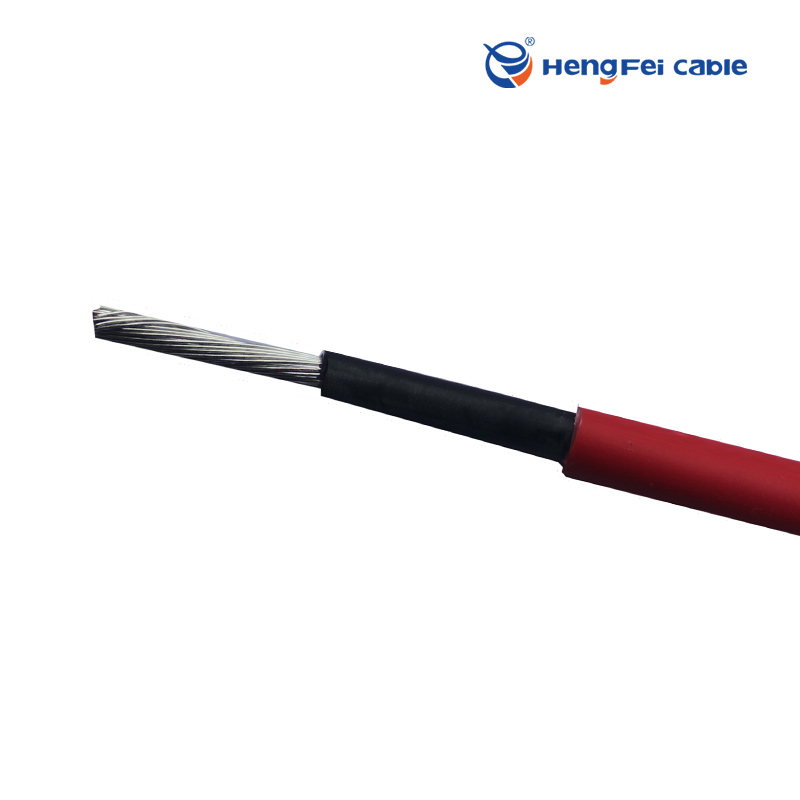
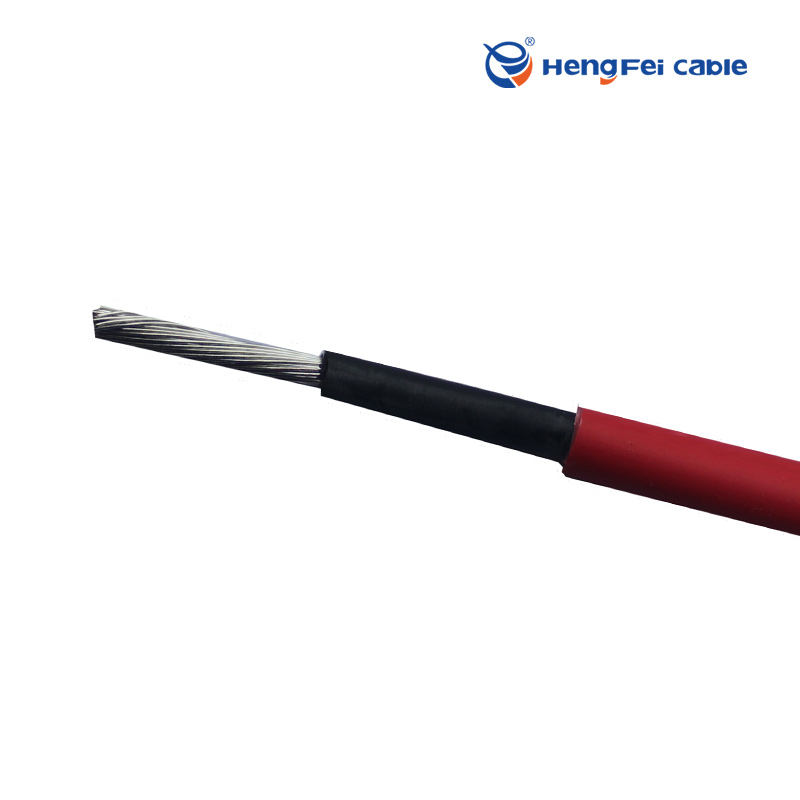
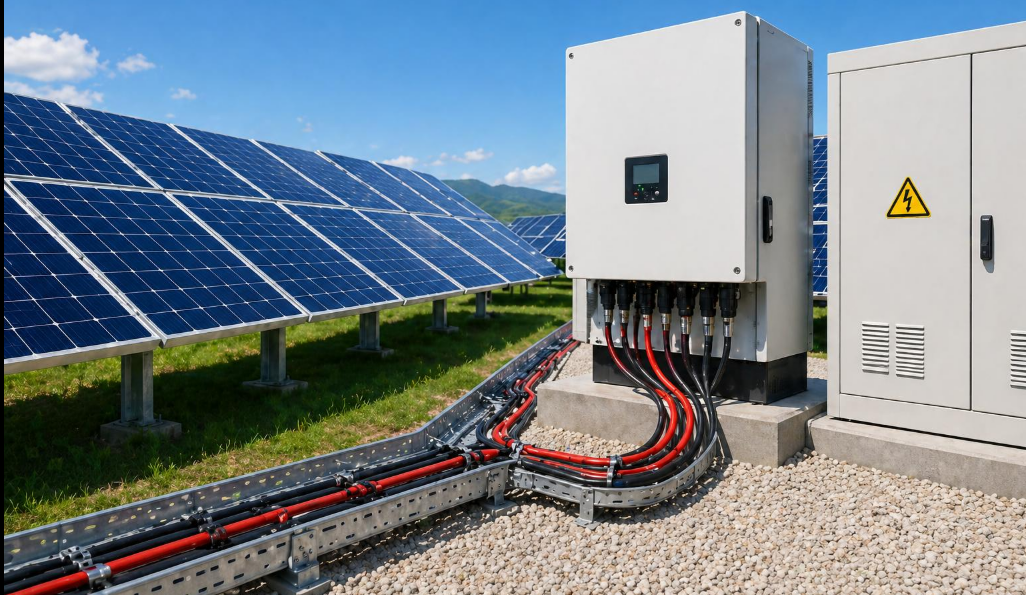
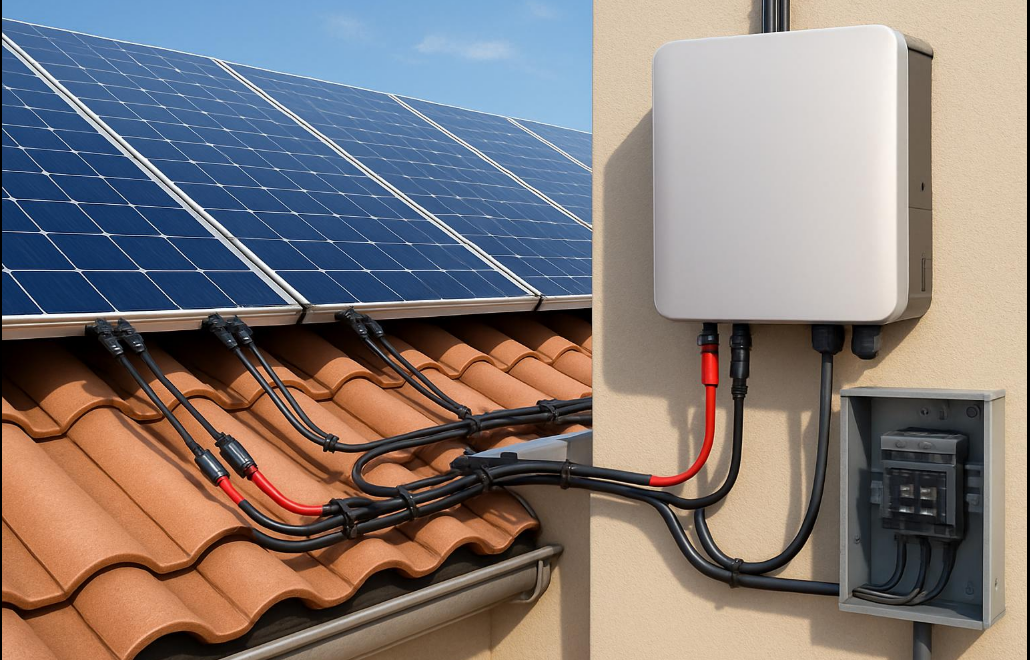
Solar cables, also known as photovoltaic cables or PV wires, are electrical cables specifically developed for solar power generation systems. They are mainly used for transmitting direct current (DC) electricity generated by solar panels to inverters or energy storage systems.
A typical photovoltaic system includes:
-
Solar panels
-
PV cables
-
DC connectors
-
Inverters
-
Battery storage systems
-
AC distribution cables
Solar cables are usually installed outdoors, meaning they must provide excellent resistance against environmental conditions such as sunlight exposure, temperature fluctuations, humidity, and chemical influence.
Why Are Solar Cables Important in PV Systems?
Although solar cables represent only a small part of the overall photovoltaic system cost, they directly affect system efficiency and operational safety.
High-quality PV cables help:
Improve Energy Transmission Efficiency
Low-resistance conductors reduce power losses during electricity transmission, allowing more solar energy to reach the inverter and grid.
Enhance System Safety
Reliable insulation and protective materials reduce risks such as:
-
Short circuits
-
Electrical leakage
-
Overheating
-
Fire hazards
Extend System Lifespan
Solar systems are typically designed to operate for 25 years or more. Durable cables ensure stable performance throughout the entire service life of the installation.
Main Types of Solar Cables
1. PV1-F Solar Cable
PV1-F is one of the most commonly used solar cable types in photovoltaic installations.
Features include:
-
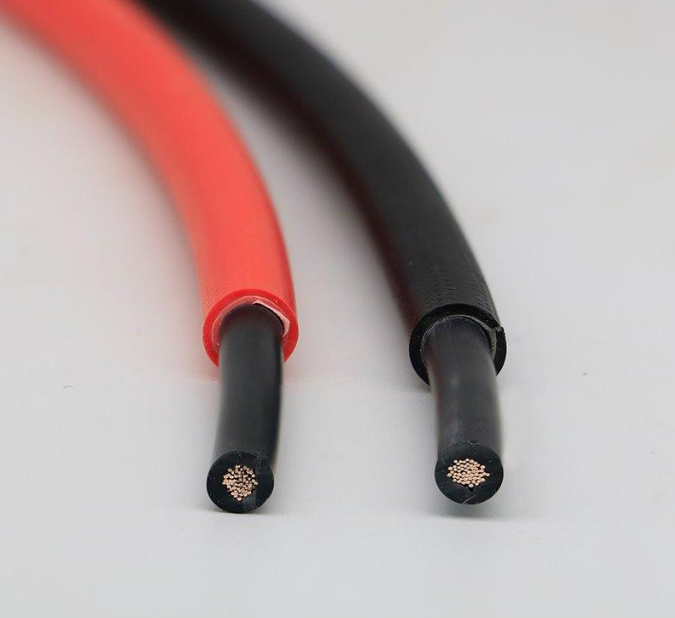
Single-core flexible conductor
-
Double insulation structure
-
UV and weather resistance
-
High temperature performance
PV1-F cables are widely used for connecting solar modules in residential, commercial, and industrial PV systems.
Typical specifications include:
-
4mm² solar cable
-
6mm² solar cable
-
10mm² solar cable
The cable size depends on system voltage, current, installation distance, and power requirements.
2. H1Z2Z2-K Solar Cable
H1Z2Z2-K is a European-standard photovoltaic cable designed for modern solar applications.
Compared with traditional PV cables, it offers:
-
Higher durability
-
Better mechanical resistance
-
Improved environmental protection
-
Long-term outdoor performance
It is commonly used in:
-
Large solar farms
-
Commercial PV projects
-
Industrial solar installations
3. DC Solar Cable
DC cables connect solar panels to the inverter and operate under direct current conditions.
They require:
-
High voltage insulation
-
Strong weather resistance
-
Excellent electrical performance
Because DC cables are exposed to outdoor environments for decades, material quality is critical.
Key Materials Used in Solar Cables
Conductor Materials
Copper Conductors
Copper is widely used because of:
-
Excellent electrical conductivity
-
High reliability
-
Strong corrosion resistance
-
Good mechanical flexibility
Many PV cables use tinned copper conductors to improve corrosion resistance, especially in outdoor environments.
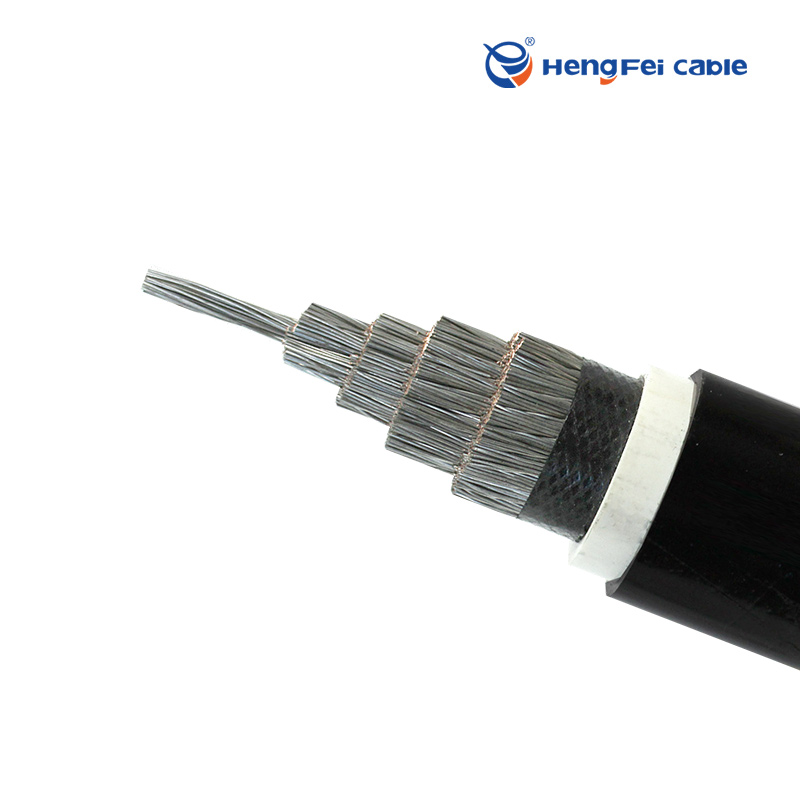
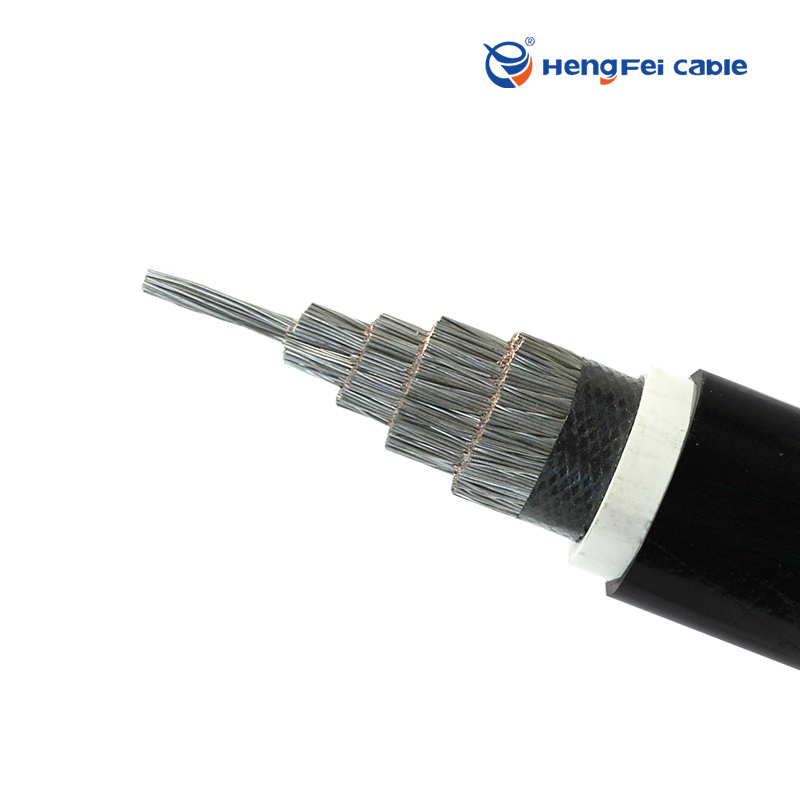
Aluminum Conductors
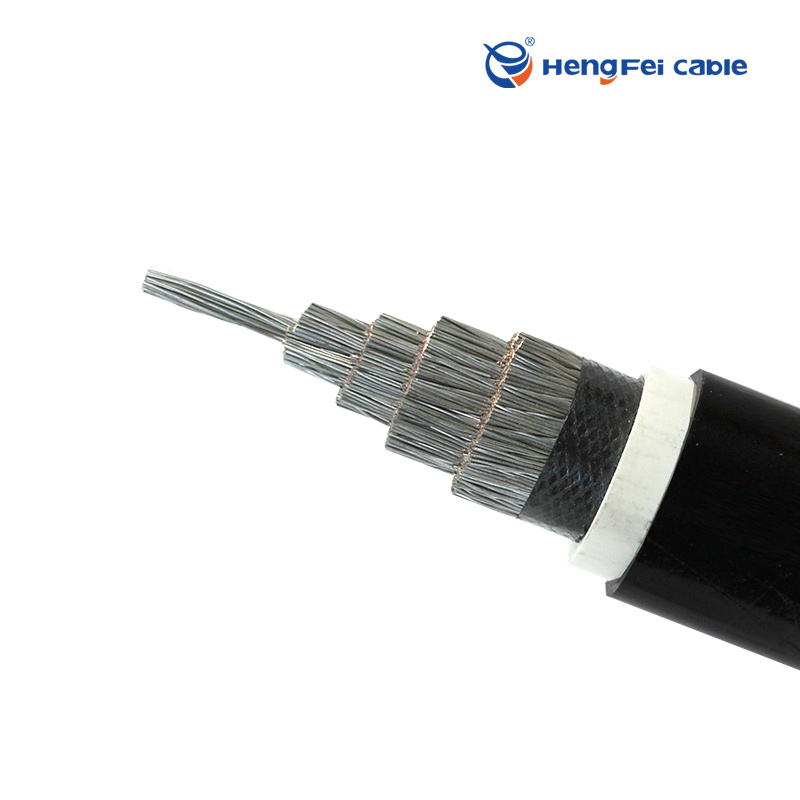
Aluminum cables are increasingly used in large-scale solar projects because they offer:
-
Lower material cost
-
Reduced weight
-
Good conductivity-to-weight ratio
They are especially suitable for utility-scale photovoltaic systems where cable length and cost are major considerations.
Insulation Materials
Modern solar cables commonly use advanced insulation materials such as:
XLPE (Cross-Linked Polyethylene)
Advantages:
-
Excellent thermal resistance
-
Good electrical insulation
-
Long service life
TPE (Thermoplastic Elastomer)
Advantages:
-
High flexibility
-
Good weather resistance
-
Easy installation
Halogen-Free Materials
Halogen-free compounds improve fire safety by reducing toxic emissions during combustion.
Solar Cable Standards and Certifications
As PV systems become more widespread, international standards have become increasingly important.
Common standards include:
IEC 62930
This standard defines requirements for photovoltaic system cables, including:
-
Electrical performance
-
Mechanical durability
-
Environmental resistance
EN 50618
Widely used in Europe, this standard specifies requirements for flexible cables used in photovoltaic systems.
TÜV Certification
TÜV-certified solar cables are tested for:
-
Safety
-
Reliability
-
Long-term performance
UL Standards
In North America, UL-certified PV wires are commonly required for compliance with local electrical regulations.
Certified solar cables help ensure reliable operation and reduce risks caused by poor-quality materials. (
Solar Cable Installation Considerations
Proper installation is essential for maximizing cable lifespan.
Cable Size Selection
Choosing the correct cable size depends on:
-
System current
-
Voltage level
-
Cable length
-
Temperature conditions
-
Allowable voltage drop
Using an undersized cable may cause overheating and energy losses.
Environmental Protection
PV cables should be installed with consideration for:
-
UV exposure
-
Water protection
-
Mechanical protection
-
Temperature changes
Professional installation methods help prevent premature cable aging.
Connector Quality
Solar connectors, such as MC4 connectors, must provide:
-
Secure connection
-
Waterproof performance
-
Low electrical resistance
Poor-quality connectors can cause overheating and system failures.
Future Trends of Solar Cables in 2026
The solar cable industry continues to evolve with photovoltaic technology.
Higher Voltage Applications
Modern solar systems are moving toward higher voltage designs to improve efficiency and reduce transmission losses.
Smart Monitoring Technology
Some advanced cable systems are integrating monitoring functions to detect:
-
Temperature changes
-
Current abnormalities
-
Potential failures
This supports predictive maintenance for large solar installations.
Sustainable Cable Materials
The industry is increasingly adopting:
-
Recyclable materials
-
Halogen-free insulation
-
Lower-carbon manufacturing processes
These developments support the global transition toward cleaner energy solutions. (凯迈电缆)
How to Choose the Right Solar Cable?
When selecting PV cables, consider:
1. Application Environment
Different environments require different protection levels:
-
Residential rooftop systems
-
Commercial buildings
-
Ground-mounted solar farms
-
Coastal installations
2. Cable Specification
Important parameters include:
-
Conductor size
-
Voltage rating
-
Temperature range
-
Certification requirements
3. Manufacturer Reliability
A professional solar cable supplier should provide:
-
International certifications
-
Consistent quality control
-
Customized solutions
-
Technical support
Conclusion
Solar cables are a critical component of photovoltaic systems, ensuring safe and efficient electricity transmission from solar panels to inverters and energy storage systems.
With advancements in materials, higher safety standards, and smarter monitoring technologies, solar cables in 2026 are becoming more durable, efficient, and environmentally friendly.
Choosing high-quality certified PV cables not only improves solar system performance but also helps ensure reliable operation throughout the entire lifespan of the renewable energy project.