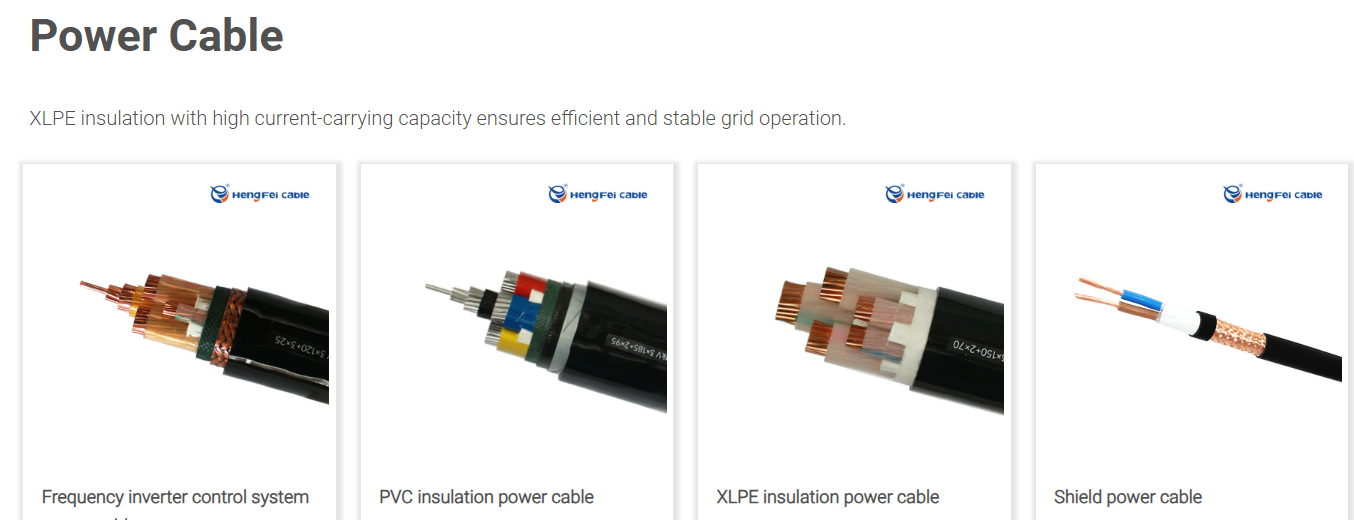
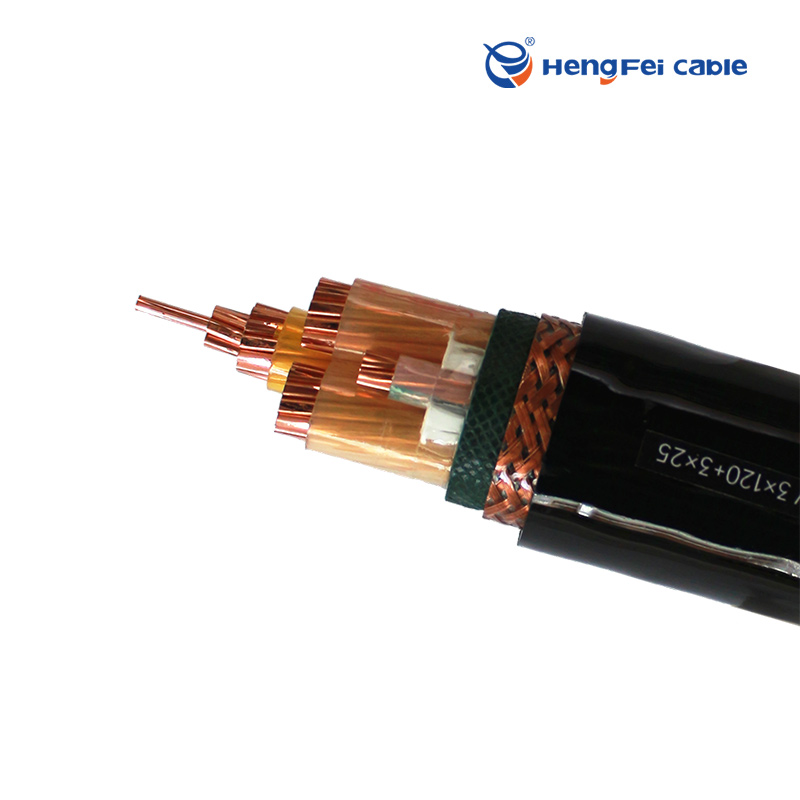
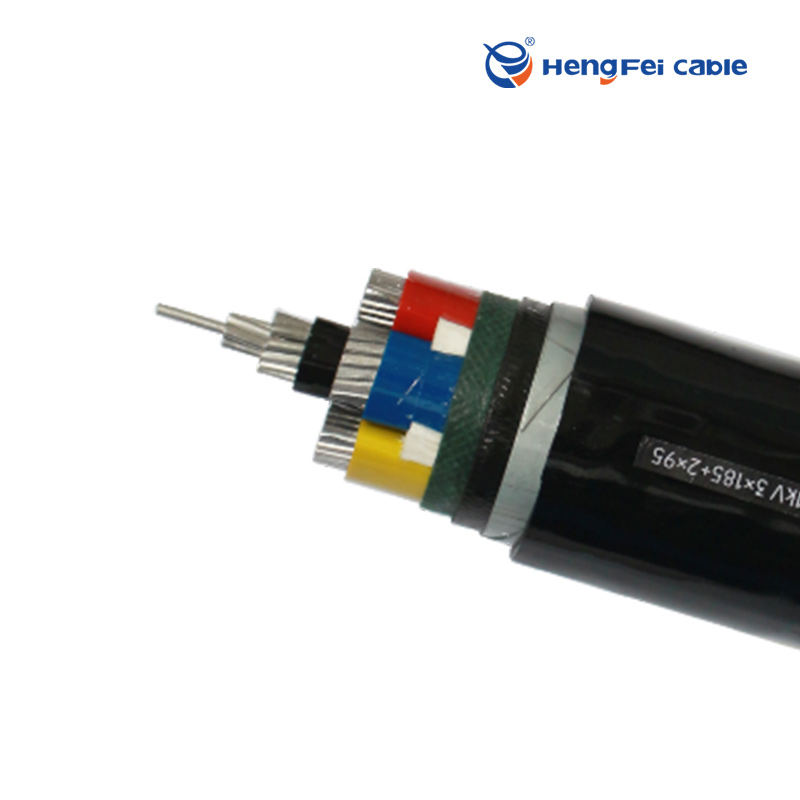
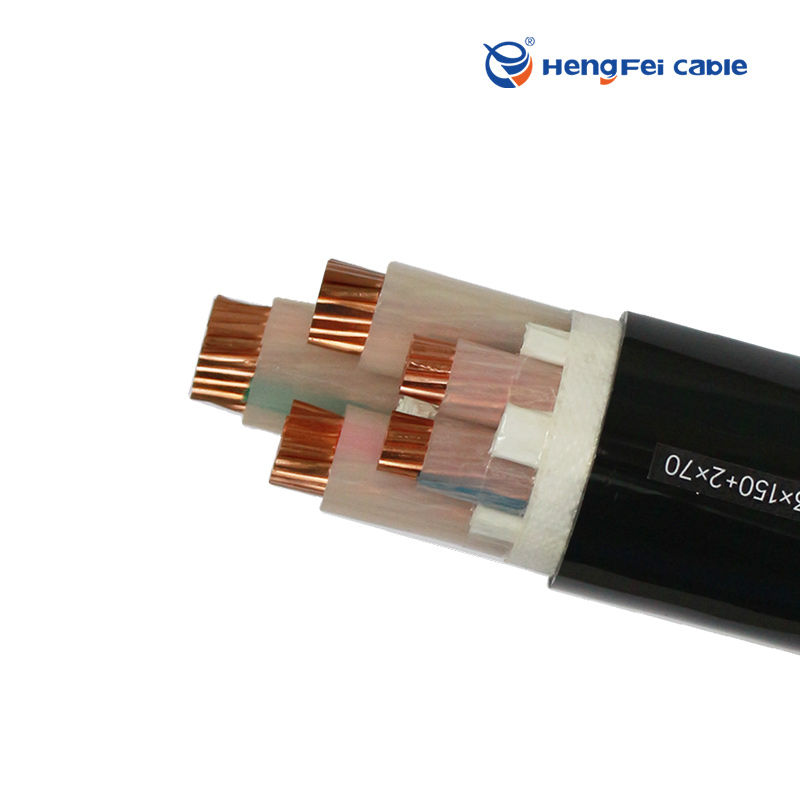
In modern electrical and industrial systems, choosing the correct cable type is essential for safety, efficiency, and reliable operation. Although power cables and control cables may look similar, they serve completely different purposes. Power cables are designed to transmit electrical energy, while control cables are used for signal transmission, automation, and equipment monitoring.
Using the wrong cable type can cause overheating, signal interference, equipment malfunction, and unnecessary maintenance costs. Understanding the differences in construction, voltage rating, applications, and performance requirements helps engineers and buyers select the right solution for each project.
What Are Power Cables?
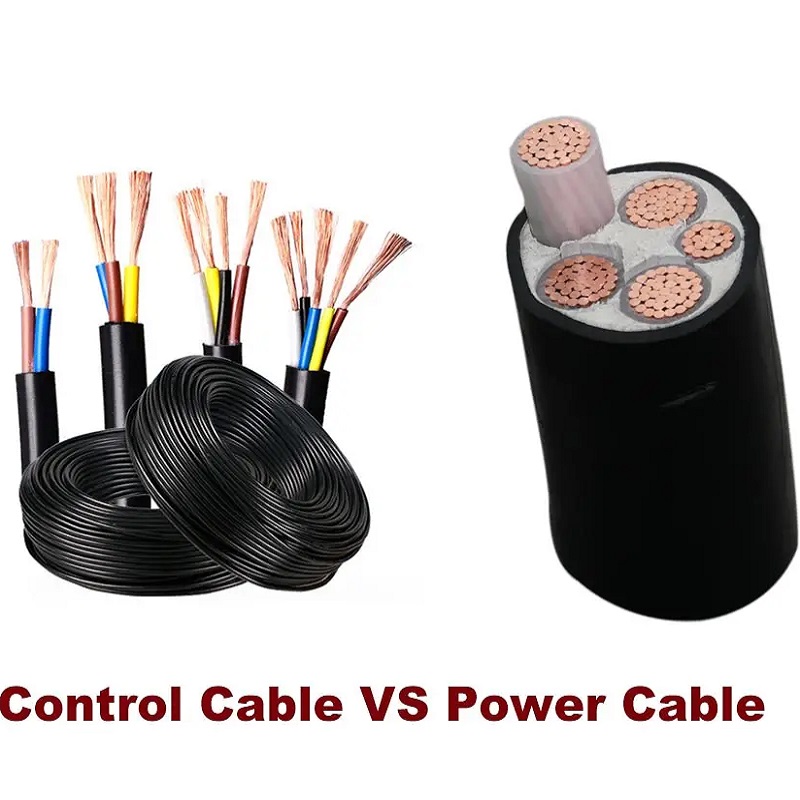
Power cables are electrical cables designed to transmit high levels of electrical energy from power sources to equipment, machines, and distribution systems. They are widely used in industrial facilities, commercial buildings, power plants, and infrastructure projects.
The main function of a power cable is to carry large currents safely with minimum energy loss. Depending on the application, power cables are classified into:
-
Low Voltage (LV) cables: Usually up to 1kV, used for buildings, lighting, and small equipment.
-
Medium Voltage (MV) cables: Commonly used in industrial power distribution and substations.
-
High Voltage (HV) cables: Designed for long-distance power transmission.
Power cables typically use copper or aluminum conductors with larger cross-sectional areas to handle high current loads. Common insulation materials include XLPE and PVC, providing electrical insulation, heat resistance, and environmental protection.
What Are Control Cables?
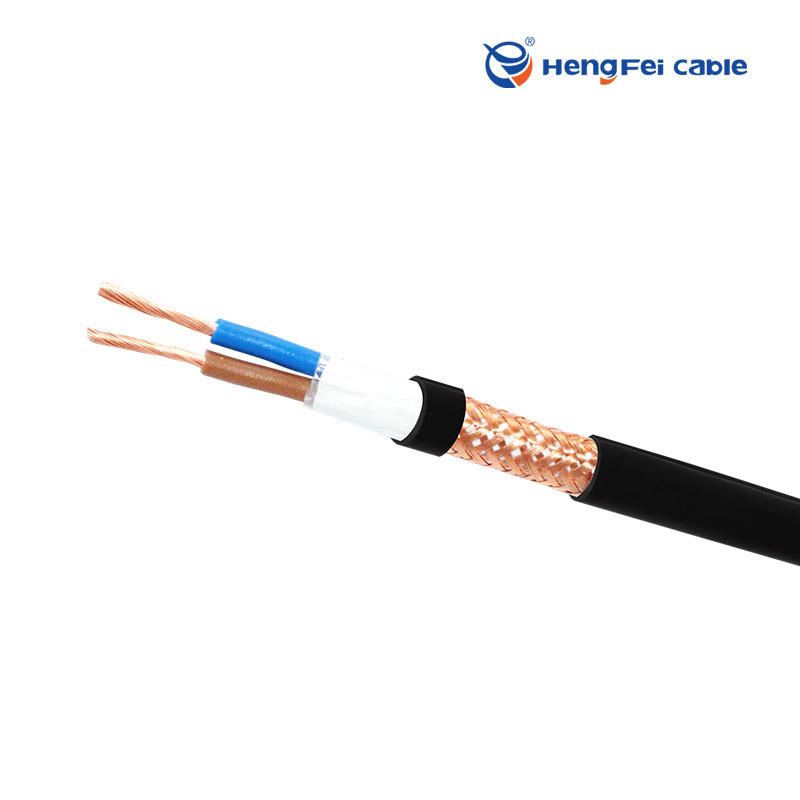
Control cables are designed for transmitting control signals, measurement signals, and automation commands rather than delivering electrical power. They are commonly used in PLC systems, industrial automation equipment, sensors, instrumentation systems, and control panels.
Unlike power cables, control cables focus on signal accuracy and interference protection. They usually contain multiple small conductors, allowing different signals to be transmitted through a single cable.
Typical features include:
-
Multiple cores for complex control circuits
-
Smaller conductor sizes
-
Flexible construction
-
Shielding layers to reduce electromagnetic interference (EMI)
Shielded control cables are especially important in environments with motors, frequency converters, or other equipment that generates electrical noise.
Power Cable vs Control Cable: Main Differences
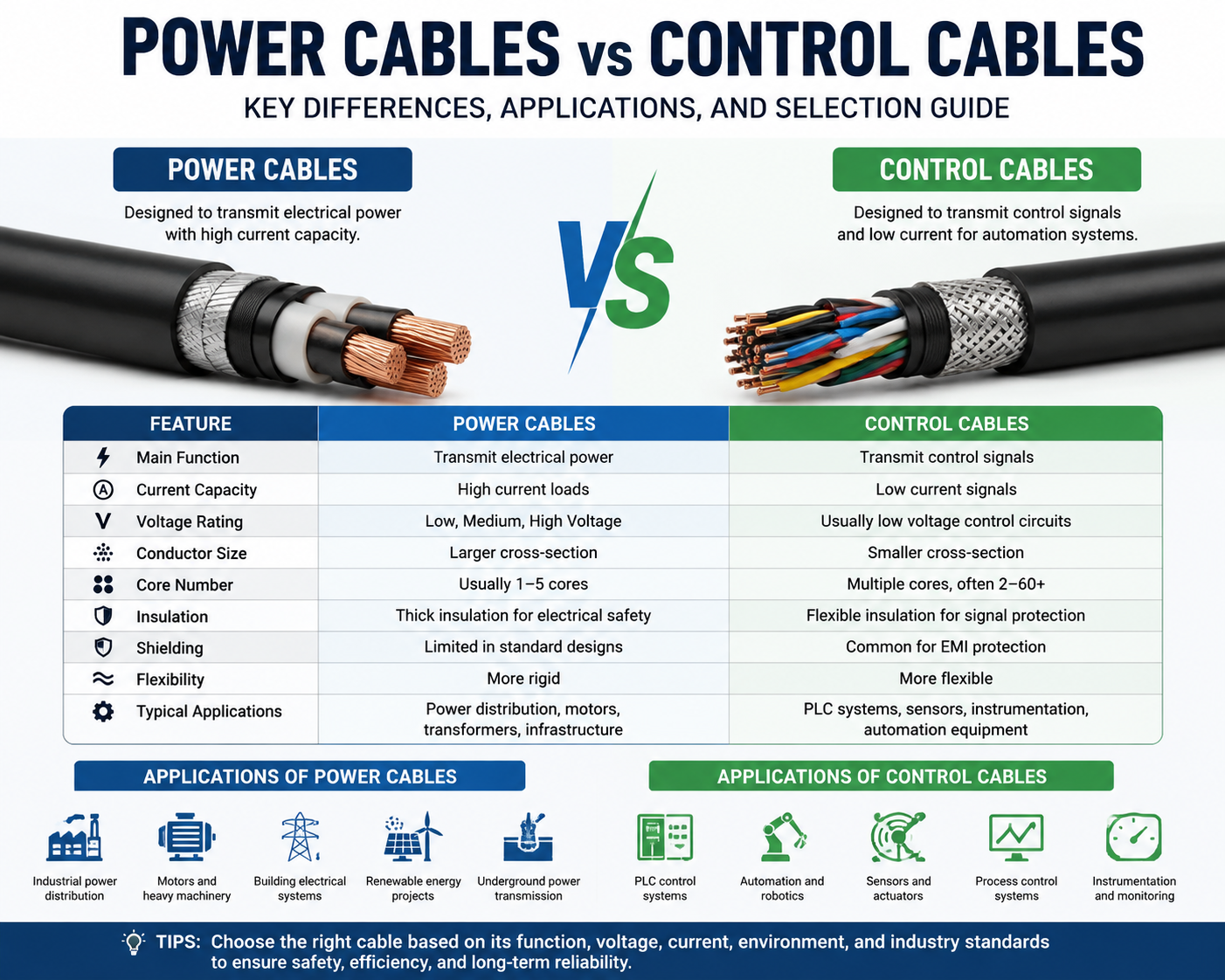
| Feature | Power Cable | Control Cable |
|---|---|---|
| Main Function | Transmit electrical power | Transmit control signals |
| Current Capacity | High current loads | Low current signals |
| Voltage Rating | LV, MV, HV applications | Usually low voltage control circuits |
| Conductor Size | Larger cross-section | Smaller cross-section |
| Core Number | Usually 1–5 cores | Multiple cores, often 2–60+ |
| Insulation | Thick insulation for electrical safety | Flexible insulation for signal protection |
| Shielding | Limited in standard designs | Common for EMI protection |
| Flexibility | More rigid | More flexible |
| Applications | Motors, transformers, power distribution | PLC, sensors, automation systems |
Construction Differences
Conductor Size
Power cables require larger conductors because they carry high electrical loads. Copper or aluminum conductors are commonly selected based on current requirements and installation conditions.
Control cables use smaller copper conductors because they transmit low-power signals rather than supplying energy to equipment. (NPC ELECTRIC)
Insulation and Protection
Power cable insulation must withstand high voltage stress, heat generation, and environmental exposure. XLPE insulation is widely used because of its excellent thermal performance and durability.
Control cables prioritize flexibility and signal stability. PVC, PE, and halogen-free materials are commonly used depending on environmental requirements.
Shielding Requirements
Electromagnetic interference can affect control signals, especially in automated production lines. Therefore, control cables often include copper braid or foil shielding to maintain signal accuracy.
Power cables generally require less shielding unless used in special high-voltage or sensitive applications.
Applications of Power Cables
Power cables are widely used in:
-
Industrial power distribution
-
Factory electrical systems
-
Renewable energy projects
-
Motors and heavy machinery
-
Building electrical networks
-
Underground power transmission
They provide the main electrical supply required for operating equipment and infrastructure.
Applications of Control Cables
Control cables are essential in automation and monitoring systems, including:
-
PLC control systems
-
Robotics and manufacturing equipment
-
Sensors and actuators
-
Process control systems
-
Power plant monitoring
-
Instrumentation networks
They ensure accurate communication between controllers, machines, and field devices.
How to Choose Between Power Cable and Control Cable?
Selecting the right cable depends on several factors:
1. Identify the Purpose
If the cable needs to deliver electrical power, choose a power cable. If it is required for monitoring, automation, or signal transmission, a control cable is more suitable.
2. Consider Voltage and Current Requirements
Power cables must be selected according to voltage level, current capacity, installation method, and environmental conditions.
Control cables should be selected based on signal type, shielding requirements, and communication distance.
3. Evaluate the Installation Environment
For outdoor, underground, or harsh industrial environments, consider cables with additional protection such as armoring, moisture resistance, or chemical resistance.
For automation systems with electromagnetic interference risks, shielded control cables are recommended.
4. Check Industry Standards
International projects should consider applicable standards such as IEC requirements to ensure safety, compatibility, and long-term reliability.
Conclusion
Power cables and control cables play different but equally important roles in modern electrical systems. Power cables provide the energy required to operate equipment, while control cables deliver the signals needed for automation and intelligent control.
Understanding their differences in function, construction, voltage rating, and application helps engineers avoid installation problems and improve system reliability. Whether for industrial automation, power distribution, or infrastructure projects, selecting the correct cable type is essential for safe and efficient operation.