Introduction
Power cables are essential components in modern electrical infrastructure, responsible for transmitting electricity safely and efficiently across residential, commercial, industrial, and renewable energy applications. With increasing demand for reliable power distribution, smart grids, and renewable energy systems, power cable technology continues to evolve.
In 2026, the power cable industry is moving toward higher efficiency, improved safety, and more sustainable materials. From traditional 0.6/1kV low-voltage power cables to advanced XLPE (Cross-Linked Polyethylene) insulated cables, modern cable solutions are designed to meet increasingly demanding electrical and environmental requirements.
What Is a Power Cable?
A power cable is an electrical cable designed to transmit and distribute electrical energy from power sources to equipment, buildings, and infrastructure systems.
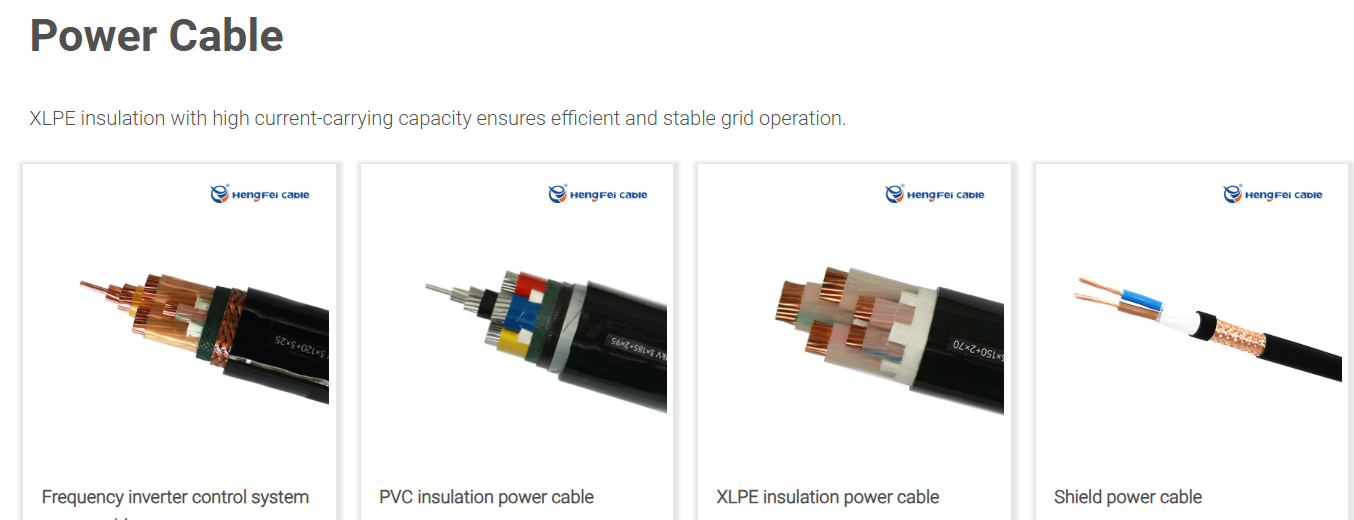
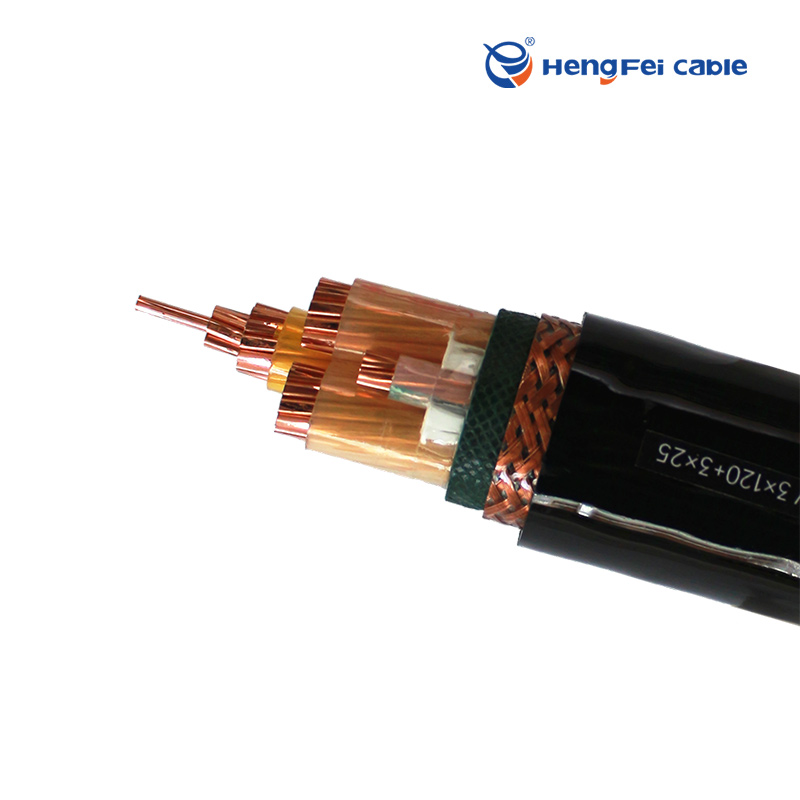
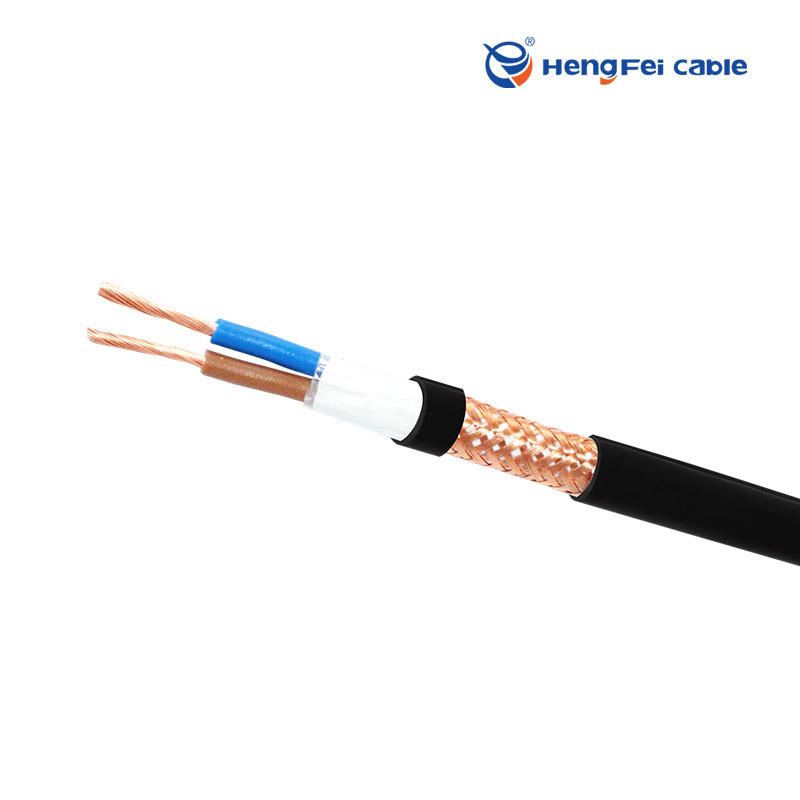
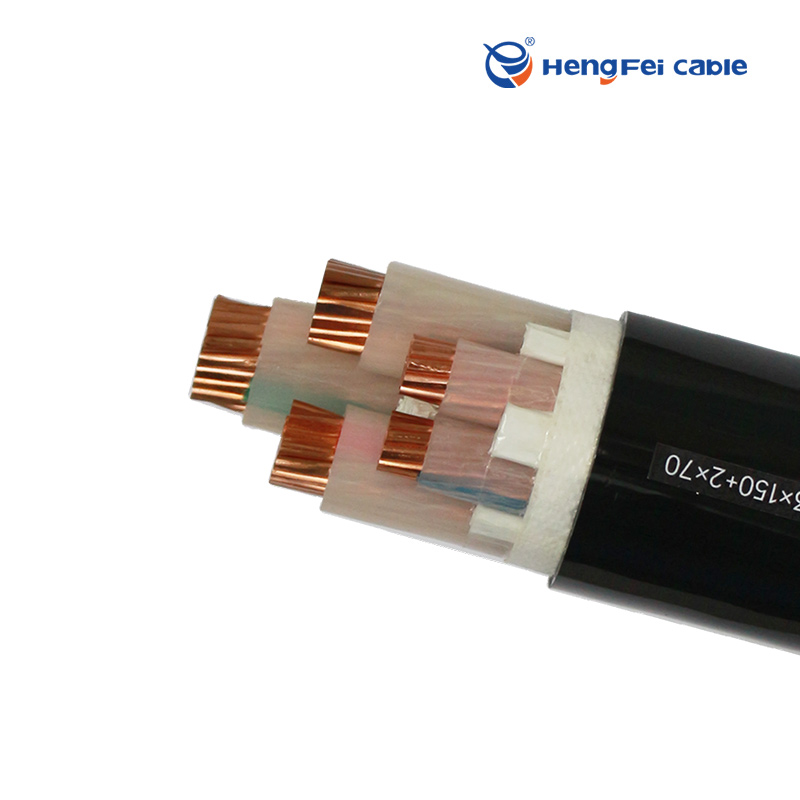
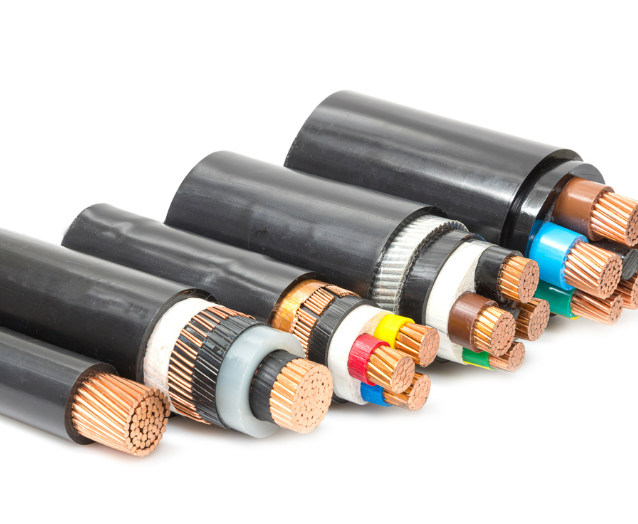
A typical power cable consists of:
-
Conductor
-
Insulation layer
-
Inner sheath
-
Shielding layer (for some applications)
-
Outer protective sheath
The conductor is usually made from copper or aluminum, while insulation materials protect against electrical leakage and environmental damage.
Depending on voltage level, power cables can be classified into:
-
Low voltage (LV) cables: up to 1kV
-
Medium voltage (MV) cables: above 1kV to 35kV
-
High voltage (HV) cables: above 35kV
Selecting the correct cable type is essential for maintaining electrical safety, reducing energy losses, and extending system lifespan.
0.6/1kV Power Cable: The Foundation of Low Voltage Distribution
What Is a 0.6/1kV Cable?
A 0.6/1kV power cable is a low-voltage cable designed for electrical systems with a rated voltage of 600/1000V. It is one of the most commonly used power cables worldwide.
These cables are widely applied in:
-
Residential buildings
-
Commercial facilities
-
Industrial plants
-
Infrastructure projects
-
Electrical distribution systems
Common insulation materials include:
-
PVC
-
XLPE
-
LSZH (Low Smoke Zero Halogen)
Advantages of 0.6/1kV Power Cables
1. Reliable Power Transmission
Low-voltage cables provide stable electricity transmission for everyday electrical systems, including lighting, machinery, and power equipment.
2. Easy Installation
Compared with higher-voltage cables, 0.6/1kV cables are easier to install due to their simpler construction and flexible design.
3. Cost Efficiency
They provide an economical solution for applications where extremely high voltage capacity is unnecessary.
Common Types of 0.6/1kV Power Cables
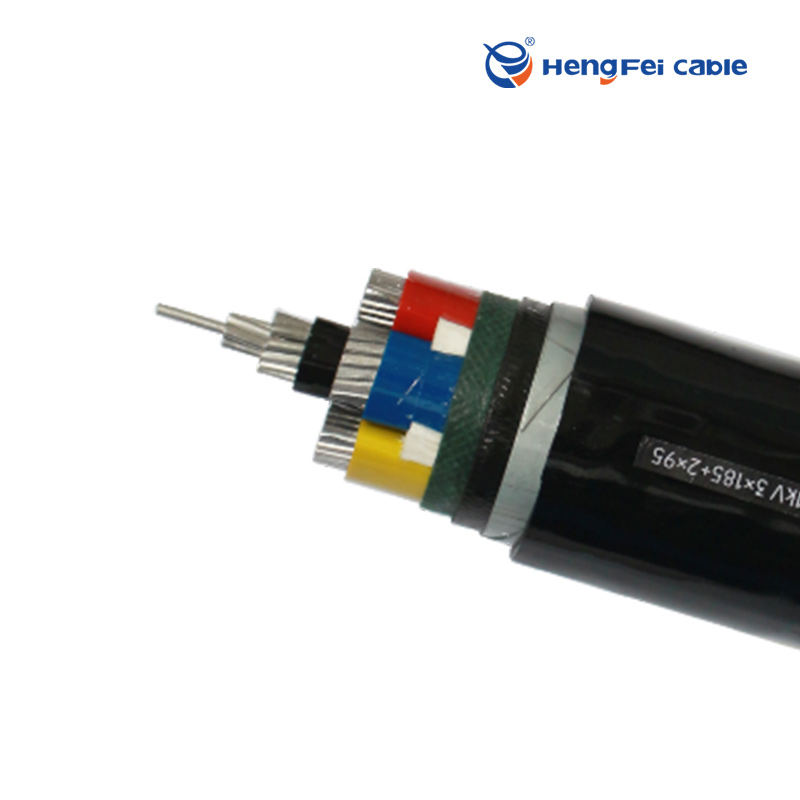
PVC Insulated Power Cable
PVC cables are widely used because of their:
-
Good insulation performance
-
Affordable cost
-
Easy processing
They are suitable for general indoor and industrial applications.
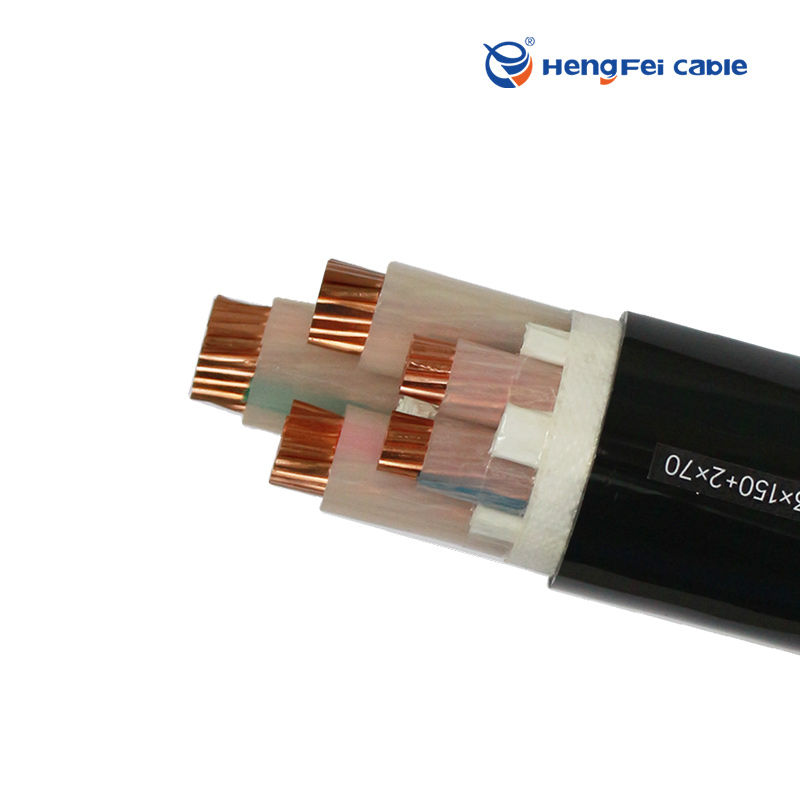
XLPE Insulated Power Cable
XLPE cables offer improved performance compared with traditional PVC cables, especially in demanding environments.
Benefits include:
-
Higher temperature resistance
-
Better electrical insulation
-
Greater mechanical strength
-
Longer service life
(KMCable)
LSZH Cable
LSZH cables are designed for applications requiring improved fire safety.
Advantages:
-
Low smoke emission
-
Halogen-free materials
-
Reduced toxic gas release
They are commonly used in:
-
Public buildings
-
Airports
-
Transportation facilities
-
Data centers
XLPE Cable: The Future of Modern Power Transmission
What Is XLPE Cable?
XLPE stands for Cross-Linked Polyethylene, an advanced insulation material widely used in modern power cables.
The cross-linked molecular structure improves the cable’s electrical, thermal, and mechanical properties.
XLPE cables are commonly used for:
-
Medium voltage distribution
-
Industrial power systems
-
Renewable energy projects
-
Underground transmission networks
Key Advantages of XLPE Power Cables
1. Higher Temperature Performance
XLPE insulation can operate at higher temperatures than traditional PVC insulation, allowing greater current-carrying capacity.
This helps:
-
Reduce cable size
-
Improve energy efficiency
-
Increase system reliability
2. Excellent Electrical Performance
XLPE provides:
-
High dielectric strength
-
Low electrical losses
-
Strong insulation stability
This makes XLPE suitable for higher voltage applications.
3. Better Environmental Resistance
XLPE cables offer strong resistance against:
-
Moisture
-
Chemicals
-
Heat
-
Mechanical stress
This makes them suitable for underground, industrial, and outdoor installations.
4. Longer Service Life
With proper installation, XLPE cables can provide decades of reliable operation, reducing maintenance costs and replacement frequency.
Evolution Toward Higher Voltage Cable Systems
As global electricity demand increases, power networks require cables capable of carrying more energy over longer distances.
Modern power cable development is moving from traditional low-voltage systems toward:
-
Medium voltage cables
-
High voltage cables
-
Extra-high voltage transmission cables
This trend is driven by:
-
Renewable energy integration
-
Smart grid development
-
Urban electrification
-
Increased industrial power demand
Advanced insulation materials such as XLPE and EPR enable cables to withstand higher electrical stress while maintaining reliability.
Applications of Modern Power Cables
Renewable Energy Systems
Solar farms and wind power projects require durable power cables to connect generation equipment with electrical grids.
Applications include:
-
Solar inverter connections
-
Wind turbine power transmission
-
Energy storage systems
Industrial Facilities
Factories require reliable cables for:
-
Motors
-
Automation equipment
-
Production machinery
-
Distribution systems
XLPE cables are particularly suitable for industrial environments due to their durability.
Buildings and Infrastructure
Power cables are widely used in:
-
Commercial buildings
-
Hospitals
-
Airports
-
Transportation systems
LSZH and fire-resistant cables are often selected where safety is critical.
Future Trends in Power Cable Technology
1. Smart Cable Systems
Future power cables may integrate monitoring technologies to detect:
-
Temperature changes
-
Overloading
-
Insulation degradation
This enables predictive maintenance and improves grid reliability.
2. Sustainable Materials
Cable manufacturers are developing more environmentally friendly solutions, including:
-
Recyclable materials
-
Halogen-free insulation
-
Low-carbon manufacturing processes
3. Higher Efficiency Transmission
New cable designs focus on:
-
Lower energy losses
-
Higher current capacity
-
Improved thermal management
These innovations support the development of smarter and cleaner energy networks.
How to Choose the Right Power Cable?
When selecting a power cable, consider:
Voltage Requirement
Determine whether the application requires:
-
0.6/1kV low voltage cable
-
Medium voltage cable
-
High voltage cable
Installation Environment
Consider:
-
Indoor or outdoor installation
-
Temperature conditions
-
Moisture exposure
-
Mechanical protection requirements
Conductor Material
Copper and aluminum each have advantages:
Copper:
-
Higher conductivity
-
Better connection performance
Aluminum:
-
Lightweight
-
Cost-effective for large-scale projects
Conclusion
Power cable technology in 2026 continues to advance from traditional 0.6/1kV low-voltage solutions toward more efficient and durable XLPE-based systems. While low-voltage cables remain essential for everyday electrical distribution, XLPE cables have become a preferred choice for demanding industrial, renewable energy, and infrastructure applications.
With improved insulation materials, higher voltage capabilities, and smarter monitoring technologies, modern power cables are helping build safer, more efficient, and more sustainable electrical networks worldwide.