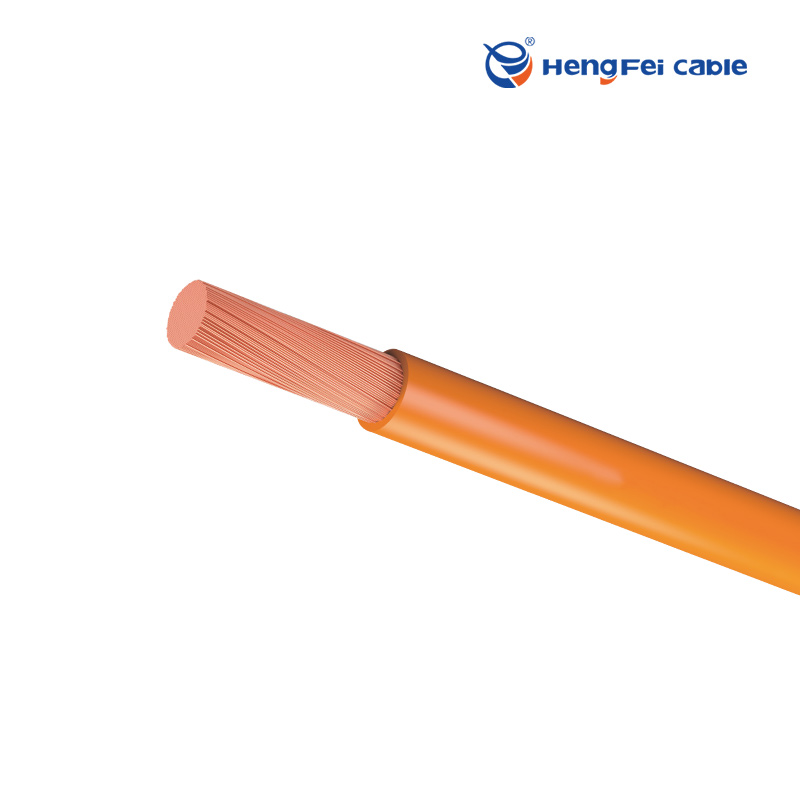
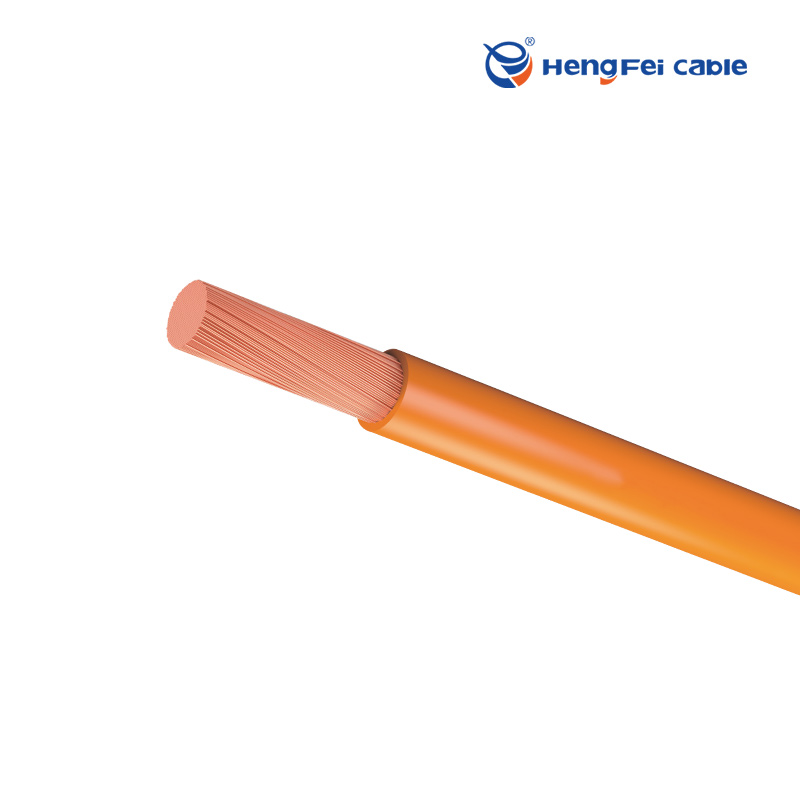
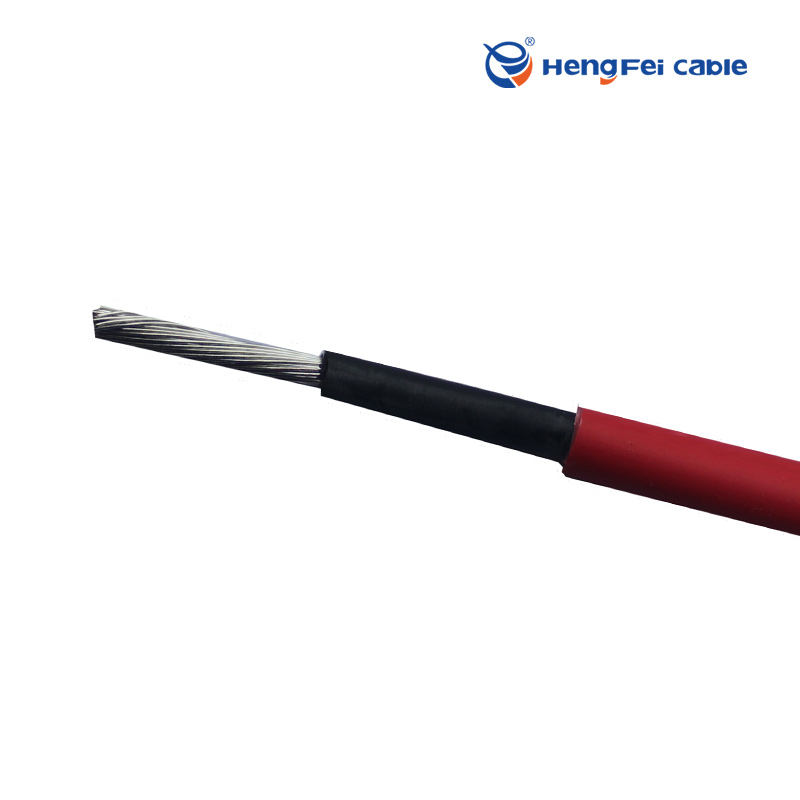
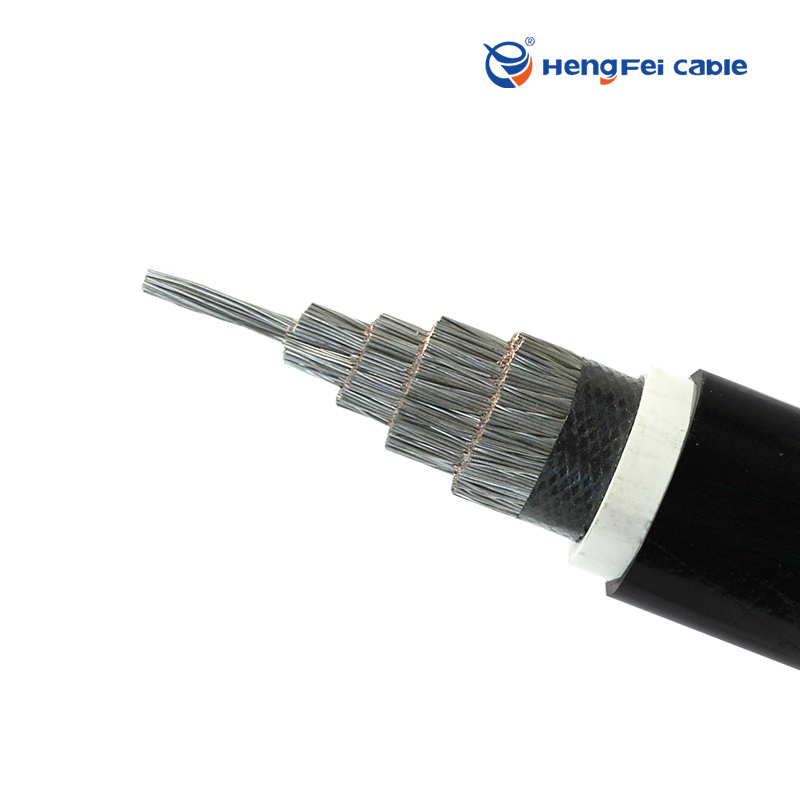
As renewable energy continues to expand, Battery Energy Storage Systems (BESS) are becoming increasingly important for storing and managing electricity from solar, wind, and other renewable sources. While batteries, inverters, and battery management systems often receive the most attention, energy storage cables are equally important for maintaining efficient and reliable power transmission.
Choosing the right BESS cable can improve electrical efficiency, reduce power losses, enhance system safety, and support long-term operation. However, selecting an energy storage cable requires more than simply matching the cable to the battery. Current capacity, voltage rating, conductor size, insulation, temperature, installation conditions, and mechanical requirements should all be considered.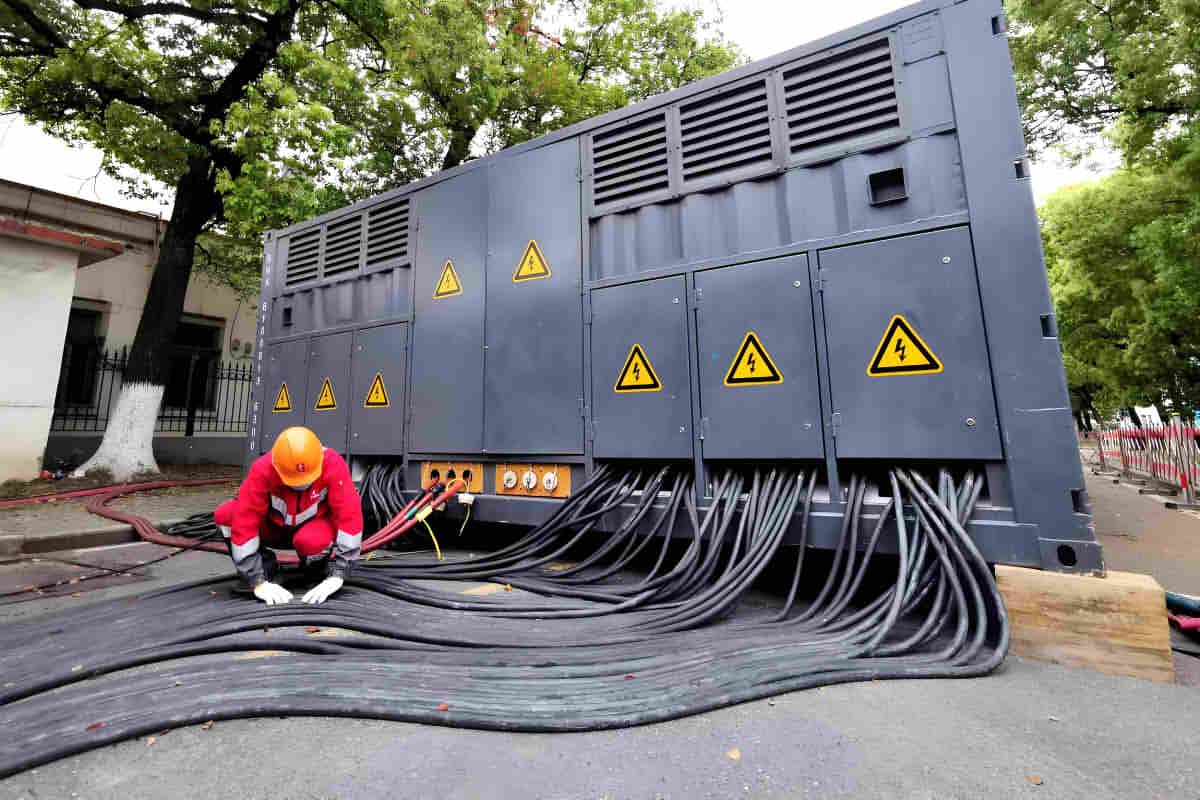
1. Determine the Required Current Capacity
Current-carrying capacity is one of the most important factors when selecting a battery storage cable. The cable must be capable of continuously carrying the expected operating current without excessive heating.
A BESS may experience high continuous currents, particularly on the DC side between battery packs, battery racks, and power conversion equipment. If the cable is undersized, excessive heat can build up, increasing energy loss and potentially creating a safety risk.
When selecting a BESS cable, consider:
-
Maximum continuous operating current
-
Peak or short-duration current
-
Ambient temperature
-
Cable installation method
-
Number of cables installed together
-
Required safety margin
The cable's ampacity should be suitable for the actual operating conditions rather than being based only on the nominal battery capacity.
2. Select the Correct Cable Size
Cable size directly affects resistance, voltage drop, heat generation, and overall system efficiency. Larger conductors generally have lower electrical resistance and can carry higher currents, but they also increase material cost, weight, and installation difficulty.
For this reason, cable size should be selected according to the required current, cable length, allowable voltage drop, and installation environment.
For longer cable runs, voltage drop becomes particularly important. Excessive voltage drop can reduce system efficiency and affect the performance of connected equipment.
For high-power BESS applications, copper conductors are commonly preferred because of their excellent electrical conductivity and flexibility. Aluminum conductors may also be considered for certain applications where lower weight and cost are priorities.
3. Check the Voltage Rating
The cable's voltage rating must be compatible with the maximum system voltage. BESS installations can operate at different voltage levels depending on their design, battery configuration, and power conversion equipment.
When choosing an energy storage cable, check the system's nominal and maximum operating voltage and ensure the cable has an appropriate voltage rating.
It is also important to distinguish between AC and DC cable applications. Battery connections typically involve DC power, while connections between inverters and the electrical grid may involve AC power. These applications can have different cable requirements.
4. Consider Insulation and Temperature Resistance
Battery energy storage systems can operate in demanding environments where temperature, humidity, and thermal cycling affect cable performance.
The insulation material should be selected according to the expected operating temperature and environmental conditions. A suitable BESS cable should maintain its electrical and mechanical properties throughout the required temperature range.
Depending on the application, cables may need resistance to:
-
High and low temperatures
-
UV exposure
-
Moisture and humidity
-
Oil and chemicals
-
Abrasion
-
Flame and fire
Temperature resistance is especially important because high current loads can increase conductor temperature. Proper cable selection helps prevent insulation degradation and extends service life.
5. Evaluate Flexibility and Installation Requirements
BESS installations often contain compact battery racks and densely arranged electrical components. Cables may need to be routed through limited spaces or connected to components that require frequent maintenance.
Flexible battery storage cables can make installation easier and reduce mechanical stress on terminals and connectors. The cable's bending radius should also be considered, especially in systems with tight cable routing.
For modular battery systems, flexible cables can simplify assembly and maintenance while allowing connections between battery modules, racks, busbars, and power conversion equipment.
6. Consider Fire and Safety Requirements
Safety is a major consideration when designing a battery energy storage system. Lithium-ion batteries can store significant amounts of energy, so electrical components must be selected carefully.
Cable insulation and construction should comply with the applicable safety and performance requirements for the intended market and application. Depending on the project, additional requirements may include flame-retardant performance, smoke characteristics, fire resistance, and resistance to mechanical damage.
Correct cable sizing is also essential. An undersized cable can generate excessive heat under high current conditions, while properly selected cables help maintain stable electrical performance.
7. Check the Installation Environment
The same BESS cable may perform differently depending on where it is installed. Indoor battery cabinets, outdoor containerized energy storage systems, solar-plus-storage installations, and utility-scale BESS projects can have very different environmental requirements.
Before choosing a cable, consider whether it will be exposed to:
-
Outdoor weather conditions
-
Direct sunlight and UV radiation
-
Water or high humidity
-
Extreme temperatures
-
Vibration
-
Mechanical impact
-
Chemical exposure
For outdoor BESS applications, cables with suitable UV, moisture, and temperature resistance are particularly important.
8. Consider Cable Length and Voltage Drop
Cable length is sometimes overlooked during BESS cable selection. As cable length increases, electrical resistance also increases, which can result in greater voltage drop and energy loss.
For short battery connections, voltage drop may be relatively small. However, longer connections between battery containers, inverters, transformers, or other equipment require more careful calculations.
A practical cable selection should balance conductor size, allowable voltage drop, current capacity, installation space, and total project cost.
9. Choose Compatible Connectors and Terminals
A high-quality cable alone cannot guarantee reliable system performance. Connectors, terminals, lugs, and other connection components must also be compatible with the cable and BESS equipment.
Poor connections can create increased contact resistance, localized heating, and potential reliability problems. Therefore, cable assemblies should be properly crimped, terminated, insulated, and mechanically secured.
For prefabricated battery cable assemblies, accurate cable length and connector selection can also simplify installation and reduce assembly time.
Conclusion
Selecting the right energy storage cable is an important part of designing a safe and efficient Battery Energy Storage System. The ideal BESS cable should match the system's current and voltage requirements while also meeting the environmental, thermal, mechanical, and safety demands of the installation.
When choosing a battery storage cable, consider current capacity, conductor size, voltage rating, insulation, temperature resistance, flexibility, cable length, installation environment, and connector compatibility.
By evaluating these factors during the system design stage, BESS manufacturers, integrators, and installers can reduce energy losses, improve reliability, and support stable long-term operation. As energy storage technology continues to develop, properly selected cables will remain an essential part of efficient and dependable energy storage systems.