As electric vehicles (EVs) continue to expand worldwide, choosing the correct charging cable has become increasingly important. Among the most common AC charging solutions, Type 1 and Type 2 EV charging cables are widely used for electric cars and plug-in hybrid vehicles.
Although both cables perform the same basic function—transferring electricity from a charging station to an EV battery—they are designed for different markets, connector standards, and charging systems. Understanding the differences between Type 1 and Type 2 charging leads can help EV owners select the right cable for their vehicles and charging environment.
What Is an EV Charging Cable?
An EV charging cable is a specialized power connection designed to safely charge electric vehicles. Unlike ordinary electrical cables, EV charging cables include communication systems that allow the vehicle and charging station to exchange information during charging.
A complete EV charging cable usually includes:
-
Vehicle-side connector
-
Charging station connector
-
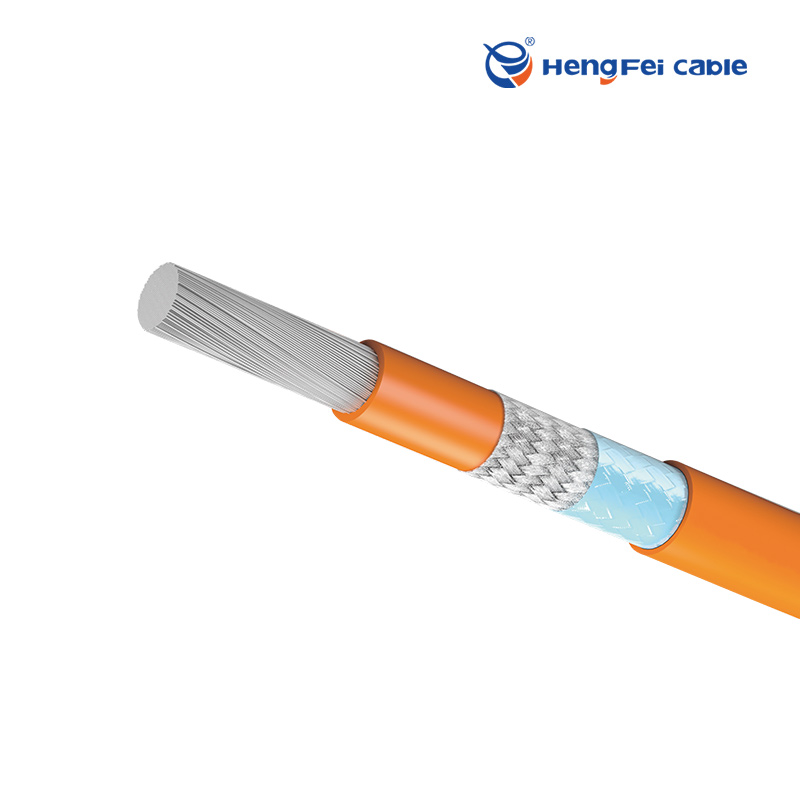
Copper conductors
-
Insulation layers
-
Protective outer jacket
-
Control and communication wires
The cable controls charging current, ensures safe power transfer, and helps prevent problems such as overheating or incorrect charging.
The two most common AC charging cable types are:
-
Type 1 charging cable (SAE J1772)
-
Type 2 charging cable (IEC 62196-2 / Mennekes)
What Is a Type 1 Charging Cable?
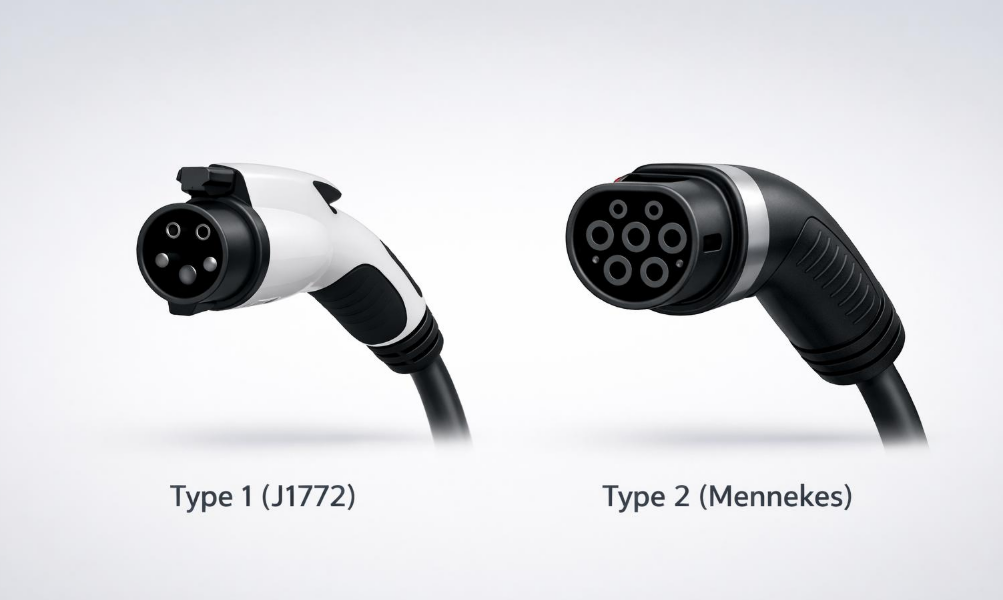
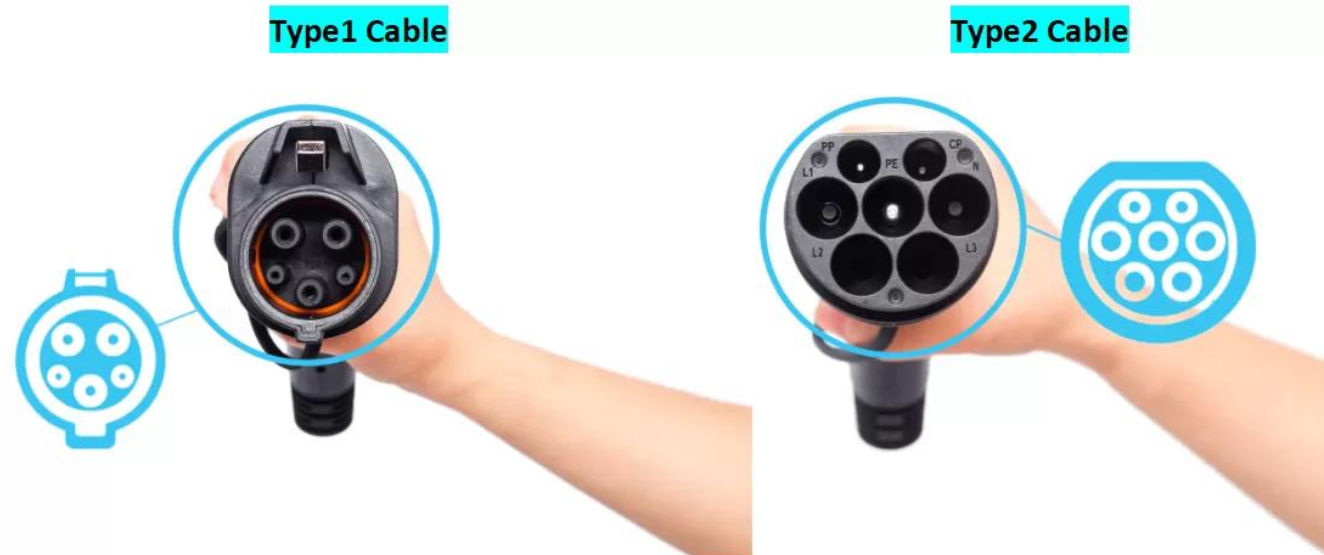
Type 1 charging cables are mainly used in North America, Japan, and some Asian markets. They follow the SAE J1772 standard and are commonly found on older electric vehicles and plug-in hybrid models.
A Type 1 connector features:
-
5-pin design
-
Single-phase AC charging
-
Locking latch mechanism
-
Compact connector structure
Type 1 cables are typically suitable for residential charging because they support common household AC charging systems.
Advantages of Type 1 Cable
1. Wide Compatibility in Certain Markets
Type 1 is widely adopted by many EV models from Japanese and American manufacturers.
2. Simple Design
The 5-pin connector structure makes Type 1 cables easy to use and maintain.
3. Reliable Home Charging
For overnight home charging, Type 1 cables provide a practical solution for compatible vehicles.
Limitations of Type 1 Cable
The main limitation of Type 1 is that it only supports single-phase charging. Compared with Type 2, it has less flexibility for higher-power charging applications.
What Is a Type 2 Charging Cable?
Type 2 charging cables are the dominant charging standard in Europe and are increasingly used in global EV markets. They are based on the IEC 62196-2 standard and are also known as Mennekes connectors.
A Type 2 connector features:
-
7-pin design
-
Single-phase and three-phase charging capability
-
Higher charging flexibility
-
Compatibility with many public charging stations
Type 2 cables are commonly used for:
-
Home wall chargers
-
Workplace charging stations
-
Public AC charging points
Advantages of Type 2 Cable
1. Higher Charging Capability
Type 2 supports both single-phase and three-phase AC charging, allowing higher charging power when supported by the vehicle and electrical system.
2. Wider Market Adoption
Type 2 has become the standard connector for many European electric vehicles and charging networks.
3. Better Public Charging Compatibility
Many public charging stations use Type 2 sockets, making Type 2 cables highly convenient for EV users.
Type 1 vs Type 2: Key Differences
| Feature | Type 1 | Type 2 |
|---|---|---|
| Standard | SAE J1772 | IEC 62196-2 |
| Main Markets | North America, Japan | Europe and global markets |
| Connector Pins | 5 pins | 7 pins |
| Charging Phase | Single-phase | Single and three-phase |
| Typical Application | Home charging | Home, commercial, public charging |
| Locking Method | Physical latch | Vehicle-controlled locking system |
(AG Electrical Technology Co., Ltd.)
Type 1 Cable vs Type 2 Cable: Charging Speed
The charging speed of an EV depends on multiple factors:
-
Vehicle onboard charger capacity
-
Charging station output
-
Cable current rating
-
Electrical installation
A Type 1 cable generally supports single-phase charging, commonly up to around 7.4 kW depending on the vehicle and charging setup.
Type 2 cables can support both single-phase and three-phase charging. In suitable installations, they can achieve higher AC charging power, making them more suitable for commercial and public charging environments. (EV Cable Hub)
It is important to note that choosing a higher-rated cable does not automatically increase charging speed if the vehicle cannot accept higher power.
Which Charging Cable Should You Choose?
Choose Type 1 Charging Cable If:
-
Your vehicle uses a Type 1 inlet
-
You are located in North America or Japan
-
You mainly charge at home
-
Single-phase charging meets your needs
Typical vehicles using Type 1 connectors include some older EV and plug-in hybrid models.
Choose Type 2 Charging Cable If:
-
Your vehicle uses a Type 2 inlet
-
You are in Europe or many international markets
-
You use public charging stations frequently
-
You need higher charging flexibility
Type 2 is generally the preferred choice for newer EV charging infrastructure.
Type 1 to Type 2 Charging Cable
Some EV users may need a Type 1 to Type 2 charging cable.
This cable has:
-
Type 1 connector on the vehicle side
-
Type 2 connector on the charging station side
It allows Type 1 vehicles to connect with Type 2 charging stations, which are common in many regions.
However, users should always confirm compatibility with their vehicle manufacturer before purchasing.
How to Select a High-Quality EV Charging Cable?
When purchasing an EV charging cable, consider the following factors:
1. Cable Current Rating
Common options include:
-
16A
-
32A
Choose according to your vehicle and charging equipment requirements.
2. Cable Length
Common lengths include:
-
3 meters
-
5 meters
-
7 meters
-
10 meters
A longer cable provides more flexibility but may be heavier to store.
3. Weather Resistance
For outdoor charging, select cables with:
-
UV resistance
-
Waterproof connectors
-
Temperature resistance
-
Durable insulation materials
4. Certification Standards
Reliable EV charging cables should comply with relevant safety standards to ensure stable operation.
Future Development of EV Charging Cables
As EV adoption grows, charging technology is moving toward:
-
Higher charging power
-
More intelligent communication
-
Improved cable flexibility
-
Better safety systems
While Type 1 remains important in specific markets, Type 2 is becoming increasingly common due to its higher flexibility and compatibility with modern charging infrastructure.
Conclusion
Both Type 1 and Type 2 charging cables play an important role in electric vehicle charging. The best choice depends mainly on your vehicle connector, regional charging standards, and charging requirements.
Type 1 cables are suitable for vehicles in North American and Japanese markets, while Type 2 cables provide greater charging flexibility and are widely used in Europe and international markets.
Before purchasing an EV charging cable, always check your vehicle’s charging port, required power rating, and local charging infrastructure. Selecting the correct cable ensures safer, faster, and more convenient EV charging