Introduction
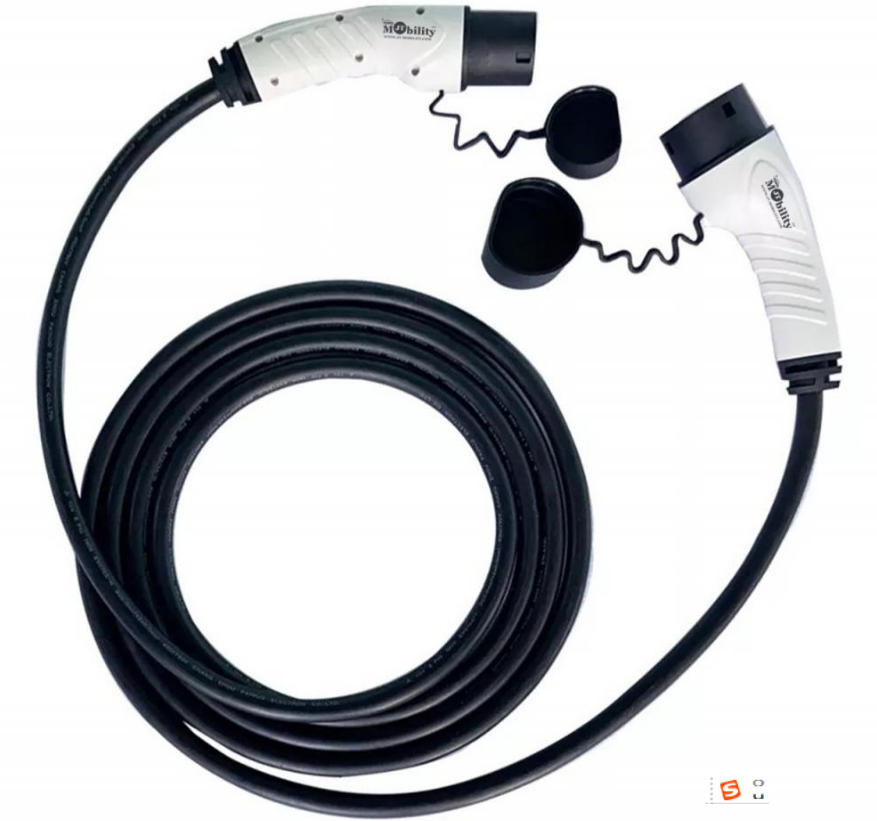
With the rapid growth of electric vehicles (EVs), charging infrastructure has become an essential part of daily mobility. Among different charging solutions, the Type 2 EV charging cable has become one of the most widely used charging cables in Europe and many other markets due to its safety, compatibility, and efficient charging performance.
Choosing the right Type 2 charging cable is not always simple. Factors such as charging power, cable length, connector quality, vehicle compatibility, and installation environment all influence the final choice.
This guide explains the key factors to consider when selecting a Type 2 charging cable to help EV owners and businesses find the right charging solution.
What Is a Type 2 Charging Cable?
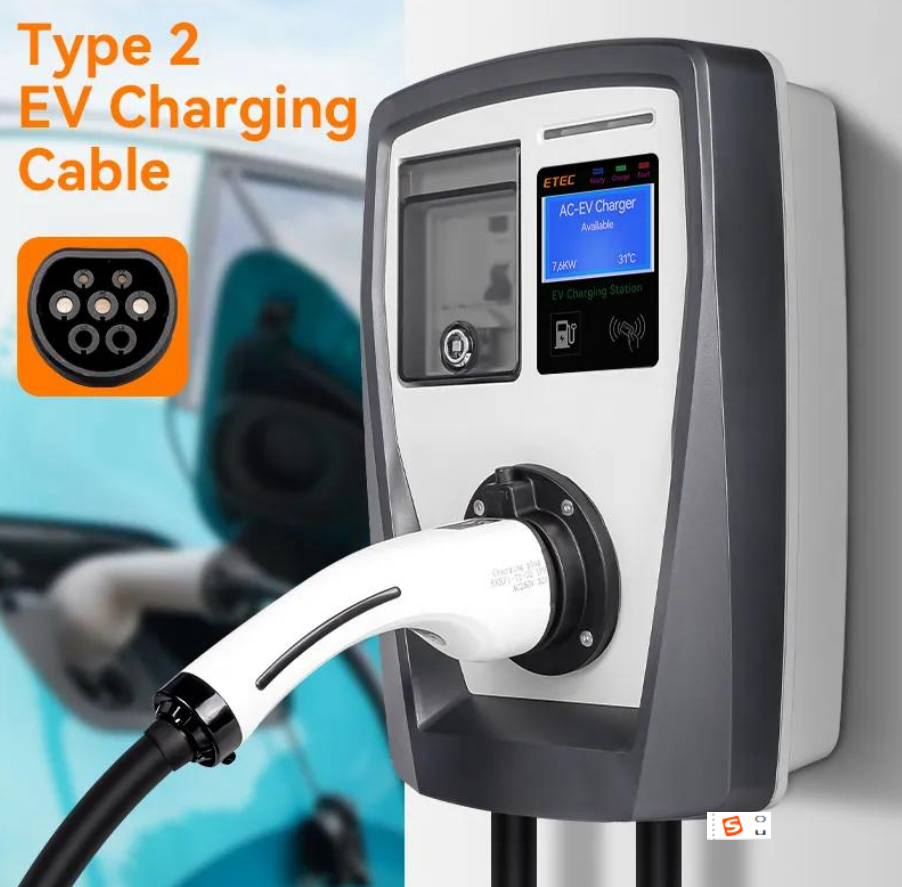
A Type 2 charging cable, also known as a Mennekes charging cable, is a connector system designed for AC charging of electric vehicles. It is widely adopted in Europe and is commonly used for home chargers, workplace charging stations, and public charging points.
A typical Type 2 charging cable consists of:
-
Type 2 vehicle connector
-
Charging station connector
-
Charging cable body
-
Internal power conductors
-
Safety communication wires
Unlike standard household charging cables, Type 2 cables are specifically designed for electric vehicles and include communication systems that allow the vehicle and charging station to exchange information during charging.
This intelligent connection helps control charging current, improve safety, and protect the battery system.
Factors to Consider When Choosing a Type 2 Charging Cable
1. Check Your Vehicle Compatibility
The first step is confirming whether your electric vehicle supports a Type 2 connector.
Type 2 connectors are widely used by many EV manufacturers in Europe and international markets, including:
-
Passenger electric cars
-
Plug-in hybrid vehicles
-
Commercial electric vehicles
Before purchasing a charging cable, check your vehicle’s charging port specification and ensure that the cable connector matches your EV model.
A Type 2 to Type 2 cable is commonly used for vehicles charging at public stations or home wall boxes equipped with Type 2 sockets.
2. Select the Correct Charging Power
Charging power is one of the most important considerations when choosing an EV cable.
Type 2 charging cables are commonly available in different power ratings:
3.7 kW Charging Cable
Suitable for:
-
Basic home charging
-
Overnight charging
-
Low-power charging requirements
7.4 kW Charging Cable
A popular choice for residential charging, providing faster charging than standard household charging.
11 kW Charging Cable
Suitable for many three-phase charging systems and provides efficient charging for daily EV use.
22 kW Charging Cable
Designed for high-power AC charging stations where the vehicle supports higher charging capacity.
It is important to match the cable capacity with both the vehicle and charging station. Using a higher-rated cable does not increase charging speed if the vehicle cannot accept higher power.
3. Choose the Right Cable Length
The cable length affects convenience and usability.
Common Type 2 cable lengths include:
-
3 meters
-
5 meters
-
7 meters
-
10 meters
A shorter cable is easier to store and carry, while a longer cable provides greater flexibility when parking away from the charging point.
For home garages, a 5-meter cable is often sufficient. For public charging environments or commercial applications, a longer cable may provide better convenience.
However, longer cables are usually heavier and require more storage space.
4. Consider Cable Quality and Durability
A high-quality charging cable should withstand frequent use and different environmental conditions.
Important quality factors include:
Cable Material
Premium EV charging cables typically use flexible copper conductors to ensure efficient electricity transmission and reduce heat generation.
Weather Resistance
Outdoor charging cables should have protection against:
-
Rain
-
Dust
-
UV exposure
-
Temperature changes
Many professional Type 2 cables are designed to operate reliably in a wide temperature range.
Connector Quality
The connector should provide:
-
Stable connection
-
Good mechanical strength
-
Safety locking
-
Long service life
Poor-quality connectors may cause overheating, charging interruptions, or reduced lifespan.
5. Straight Cable vs Spiral Cable
Type 2 charging cables are available in two common designs.
Straight Charging Cable
Advantages:
-
Easier to handle
-
Lower resistance
-
More affordable
-
Suitable for daily home charging
Disadvantages:
-
Takes more storage space
-
May lie on the ground during use
Spiral Charging Cable
Advantages:
-
Compact storage
-
Less contact with the ground
-
Convenient for frequent users
Disadvantages:
-
Usually more expensive
-
May create additional pulling force during charging
The best choice depends on your charging environment and personal preference.
Safety Features of Type 2 Charging Cables
Safety is a critical factor in EV charging.
A reliable Type 2 cable should include:
-
Overcurrent protection compatibility
-
Temperature resistance
-
High insulation performance
-
Secure locking mechanism
-
Waterproof connector design
Certified charging cables are tested according to relevant electrical safety standards to ensure reliable operation.
For commercial charging stations and fleet applications, choosing certified and durable cables is especially important.
Applications of Type 2 Charging Cables
Home Charging
Type 2 cables are commonly used with residential wall chargers, allowing EV owners to charge overnight conveniently.
Workplace Charging
Companies can install charging stations with Type 2 connectors to support employees and electric vehicle fleets.
Public Charging Stations
Many public AC charging stations use Type 2 connectors due to their wide compatibility and reliable performance.
Commercial EV Fleets
Delivery vehicles, service vehicles, and company fleets require durable charging cables designed for frequent charging cycles.
How to Maintain Your Type 2 Charging Cable
Proper maintenance can extend cable service life.
Recommended practices include:
-
Avoid bending the cable sharply
-
Store the cable in a dry place
-
Keep connectors clean
-
Avoid dragging connectors on the ground
-
Check for damage regularly
If cracks, exposed wires, or abnormal heating are found, the cable should be inspected or replaced immediately.
Conclusion
Choosing the right Type 2 EV charging cable requires careful consideration of vehicle compatibility, charging power, cable length, durability, and safety features.
For daily home charging, a standard 7.4 kW or 11 kW cable may be sufficient. For commercial charging or faster AC charging applications, higher-power cables with stronger construction are recommended.
A high-quality Type 2 charging cable not only improves charging efficiency but also provides a safer and more reliable EV charging experience.
As electric vehicle adoption continues to grow, selecting the right charging accessories will play an increasingly important role in convenient and sustainable transportation.