Introduction
Electrical wire plays a critical role in modern power systems, from residential buildings and commercial facilities to industrial equipment and automotive applications. Choosing the correct wire type is essential for ensuring electrical safety, system reliability, and long-term performance.
In North America, electrical wires are mainly classified according to American Wire Gauge (AWG) standards, along with requirements from organizations such as UL (Underwriters Laboratories) and the National Electrical Code (NEC). Understanding American standard wire specifications helps engineers, electricians, and manufacturers select the right cable for different applications.
This guide explains the basics of American standard wire, AWG sizing, common wire types, applications, and key factors to consider when selecting electrical cables.
What Is American Standard Wire?
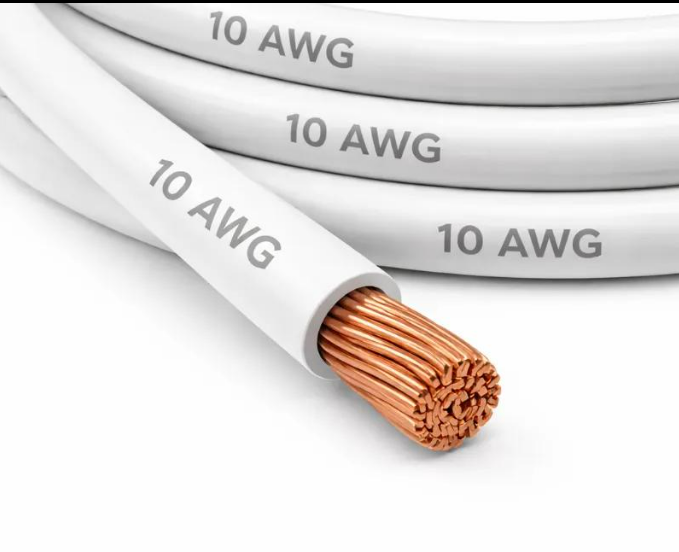
American Standard Wire refers to electrical wires manufactured according to U.S. electrical standards, primarily using the American Wire Gauge (AWG) system to define conductor size.
The AWG system provides a standardized method for identifying wire diameter and electrical capacity. Unlike metric wire sizing systems, AWG uses numbers where:
-
Smaller AWG numbers = thicker wire
-
Larger AWG numbers = thinner wire
For example:
-
10 AWG wire is thicker and carries more current than 14 AWG wire
-
20 AWG wire is commonly used for smaller electrical or signal applications
The AWG system is widely used in residential wiring, industrial equipment, automotive cables, and electronic applications across North America.
Why American Standard Wire Matters
Selecting the correct wire is essential for electrical safety and efficiency.
Using the wrong wire size or an unsuitable cable type may cause:
-
Overheating
-
Voltage drop
-
Insulation failure
-
Equipment damage
-
Electrical fire risks
American standard wire ensures that cables meet requirements for:
-
Current-carrying capacity
-
Temperature resistance
-
Voltage rating
-
Mechanical durability
-
Installation safety
For professional electrical projects, compliance with AWG and NEC requirements helps ensure reliable operation and regulatory approval.
Understanding AWG Wire Sizes
The AWG size determines the conductor diameter and current capacity.
Common AWG sizes include:
| AWG Size | Common Applications |
|---|---|
| 14 AWG | Lighting circuits, general residential wiring |
| 12 AWG | 20A residential circuits, appliances |
| 10 AWG | Higher-power equipment, HVAC systems |
| 8 AWG and larger | Industrial equipment and power distribution |
A thicker conductor has lower electrical resistance, allowing it to carry more current with less heat generation.
When selecting wire size, engineers must consider:
-
Required current load
-
Cable length
-
Voltage drop
-
Installation environment
-
Temperature conditions
Common Types of American Standard Wire
American standard wire includes different insulation materials and constructions designed for specific environments.
THHN Wire
THHN is one of the most commonly used building wires in North America.
Features:
-
High temperature resistance
-
Durable nylon coating
-
Suitable for dry locations
-
Commonly installed inside conduits
Applications include:
-
Commercial buildings
-
Industrial facilities
-
Electrical panels
THWN Wire
THWN wire is designed for environments where moisture resistance is required.
Advantages:
-
Water-resistant insulation
-
Suitable for wet locations
-
Good chemical resistance
It is often used in outdoor conduit systems and industrial installations.
NM-B Cable (Romex)
NM-B cable is widely used for residential electrical wiring.
Applications include:
-
Homes
-
Apartments
-
Indoor circuits
It usually contains multiple insulated conductors and a grounding conductor inside a protective outer sheath.
UF-B Cable
UF-B cable is designed for underground applications.
Features:
-
Moisture resistance
-
Direct burial capability
-
Strong outdoor durability
Common uses include:
-
Outdoor lighting
-
Garden electrical systems
-
Underground power connections
Conductor Materials: Copper vs Aluminum
American standard wires commonly use copper or aluminum conductors.
Copper Wire
Copper is the most widely used conductor because it provides:
-
Excellent electrical conductivity
-
High corrosion resistance
-
Good mechanical strength
-
Reliable connection performance
Copper wire is commonly used in residential, commercial, automotive, and industrial applications.
Aluminum Wire
Aluminum offers advantages such as:
-
Lower material cost
-
Lightweight structure
-
Good conductivity-to-weight ratio
It is often used for:
-
Large power transmission cables
-
Utility applications
-
High-current distribution systems
However, aluminum wire requires proper installation techniques because its electrical and mechanical properties differ from copper.
American Wire Standards and Certifications
High-quality American standard wire should comply with recognized safety requirements.
Important standards and organizations include:
UL Certification
UL certification confirms that electrical products have been tested according to established safety requirements.
UL-listed wires typically include markings showing:
-
Wire type
-
Voltage rating
-
Temperature rating
-
Manufacturer information
National Electrical Code (NEC)
The NEC provides installation requirements for electrical systems in the United States.
It covers:
-
Wire sizing
-
Installation methods
-
Protection requirements
-
Safety practices
The NEC is updated regularly and adopted by many local jurisdictions. (电线标准)
Applications of American Standard Wire
American standard wires are used across many industries.
Residential Applications
Common uses include:
-
Lighting systems
-
Power outlets
-
Home appliances
-
HVAC equipment
Commercial Buildings
Commercial applications require reliable wiring for:
-
Office buildings
-
Shopping centers
-
Hotels
-
Public facilities
THHN and THWN conductors are commonly used in these environments.
Industrial Applications
Industrial facilities require cables capable of handling:
-
High current loads
-
Mechanical stress
-
Temperature changes
-
Chemical exposure
Specialized industrial wires are used for machinery, automation systems, and production equipment.
Automotive Applications
AWG wire sizing is also important in automotive electrical systems.
Applications include:
-
Battery cables
-
Wiring harnesses
-
Control circuits
-
Sensors
-
EV systems
Correct wire selection helps prevent overheating and ensures reliable vehicle performance.
How to Choose the Right American Standard Wire?
When selecting American standard wire, consider the following factors:
1. Determine Required Wire Gauge
Select the correct AWG size based on:
-
Current requirements
-
Cable length
-
Voltage drop limits
2. Choose Suitable Insulation Type
Different environments require different insulation materials.
Examples:
-
Indoor use → NM-B
-
Dry conduit → THHN
-
Wet locations → THWN or UF-B
3. Consider Temperature and Environment
Evaluate:
-
Ambient temperature
-
Moisture exposure
-
Chemical conditions
-
Mechanical stress
4. Verify Certifications
Always choose wires with appropriate certifications such as:
-
UL approval
-
NEC compliance
-
Manufacturer traceability
This ensures safety, reliability, and consistent performance.
Conclusion
American standard wire provides a reliable framework for selecting electrical cables across residential, commercial, industrial, and automotive applications. By understanding AWG sizing, insulation types, conductor materials, and certification requirements, professionals can choose the right wire solution for each project.
Whether used for building electrical systems, industrial equipment, or advanced automotive applications, high-quality American standard wire ensures safe power transmission, improved efficiency, and long-term reliability.
Choosing a trusted wire manufacturer with strong quality control and compliance capabilities is essential for achieving dependable electrical performance.