As renewable energy continues to expand worldwide, efficient and reliable power transmission has become a critical challenge. All Aluminum Alloy Conductors (AAAC) are emerging as an advanced solution for modern power grids, especially in wind farms, solar parks, and renewable energy transmission networks. Their combination of lightweight design, corrosion resistance, and excellent electrical performance makes them an ideal choice for sustainable energy infrastructure.
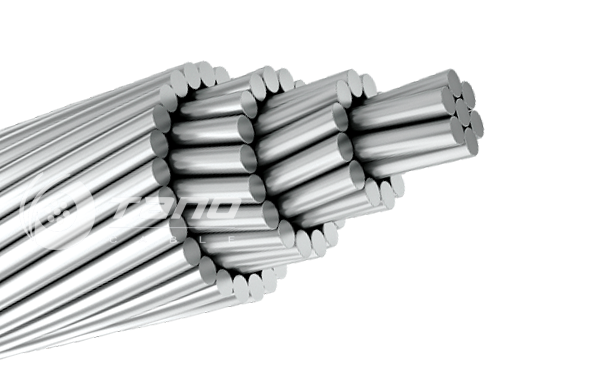
What Is an AAAC Conductor?
AAAC (All Aluminum Alloy Conductor) is an overhead electrical conductor made entirely from aluminum alloy wires. Unlike traditional ACSR (Aluminum Conductor Steel Reinforced) conductors, AAAC does not contain a steel core. Instead, it uses high-strength aluminum alloy to provide mechanical strength while maintaining good electrical conductivity.
The conductor is commonly used in medium-voltage and high-voltage overhead transmission and distribution systems, where reduced weight, durability, and corrosion resistance are important factors.
Why AAAC Conductors Are Important for Renewable Energy
Renewable energy sources such as solar and wind power often require long-distance transmission from remote generation sites to consumers. These projects demand conductors that can operate reliably under changing environmental conditions.
AAAC conductors provide several advantages for renewable energy applications:
1. Excellent Corrosion Resistance
One of the biggest advantages of AAAC conductors is their resistance to corrosion. Since they are manufactured from aluminum alloy without steel components, they avoid galvanic corrosion problems caused by contact between different metals.
This makes AAAC especially suitable for:
-
Offshore wind farms
-
Coastal solar projects
-
High-humidity environments
-
Industrial areas with pollution exposure
Longer service life and reduced maintenance requirements help improve the overall reliability of renewable energy networks.
2. Lightweight Design and Lower Installation Costs
Compared with traditional conductors containing steel reinforcement, AAAC conductors have a lighter structure. The reduced weight decreases mechanical loads on towers, poles, and supporting structures.
Benefits include:
-
Easier transportation and installation
-
Reduced tower stress
-
Longer possible span distances
-
Lower infrastructure costs
For renewable energy projects covering large areas, these advantages can significantly reduce construction challenges. (
3. Stable Electrical Performance
AAAC conductors are designed to provide reliable current transmission while maintaining good strength-to-weight performance. Their aluminum alloy composition allows efficient electricity delivery for renewable power systems with variable generation conditions. (APAR Industries)
They are commonly used in:
-
Solar power transmission lines
-
Wind farm collection systems
-
Distribution networks
-
Grid connection projects
AAAC vs ACSR Conductors
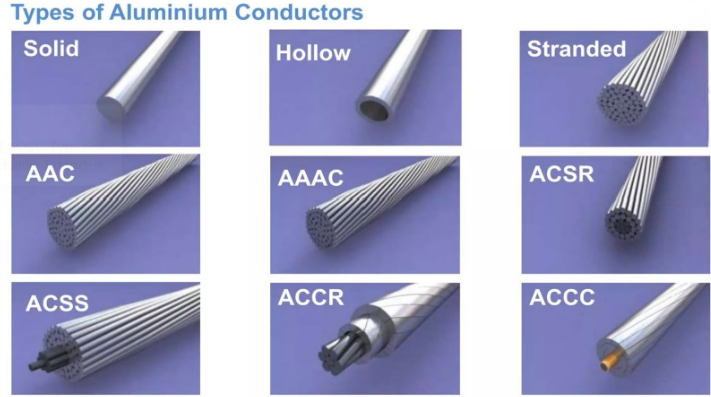
AAAC and ACSR are two widely used overhead conductors, but they have different structures and performance characteristics.
| Feature | AAAC Conductor | ACSR Conductor |
|---|---|---|
| Material | Aluminum alloy only | Aluminum + steel core |
| Weight | Lighter | Heavier |
| Corrosion Resistance | Excellent | Lower due to steel core |
| Mechanical Strength | Good | Higher |
| Maintenance Requirement | Lower | Higher in corrosive environments |
| Application | Renewable energy, distribution networks | Traditional transmission systems |
AAAC is often preferred when corrosion resistance and reduced structural loading are priorities, while ACSR may be selected where higher mechanical strength is required.
Applications of AAAC Conductors
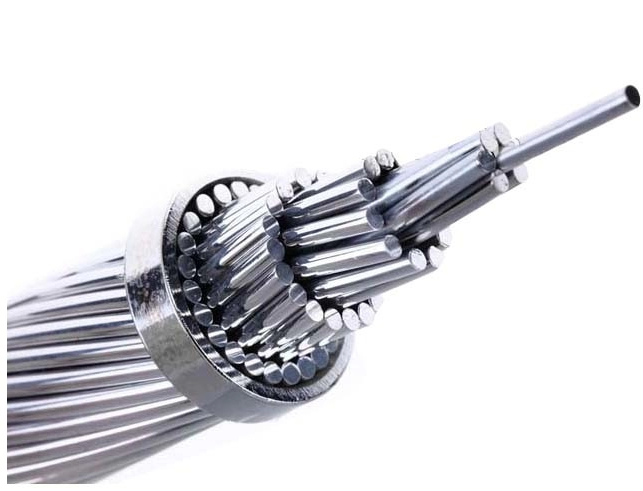
AAAC conductors are widely used in modern electrical infrastructure, including:
Solar Energy Projects
Large-scale solar farms require reliable transmission lines to transfer electricity from photovoltaic fields to substations. AAAC conductors provide durability and efficient power delivery in outdoor environments.
Wind Power Systems
Wind farms are often located in remote or coastal areas where corrosion resistance and mechanical reliability are essential. AAAC conductors help connect wind turbines to the electrical grid.
Urban and Rural Distribution Networks
The lightweight structure of AAAC makes it suitable for distribution systems where reducing support structure requirements is important.
Smart Grid Infrastructure
As power networks become more flexible and decentralized, advanced conductors such as AAAC help improve transmission efficiency and grid reliability.
Environmental Benefits of AAAC Conductors
Sustainability is becoming increasingly important in power infrastructure development. AAAC conductors support green energy goals through:
-
High recyclability of aluminum materials
-
Reduced transportation energy due to lightweight design
-
Longer service life with lower maintenance needs
-
Lower environmental impact during installation
These advantages align with global efforts to build cleaner and more efficient energy systems.
How to Select the Right AAAC Conductor?
When choosing an AAAC conductor for a renewable energy project, several factors should be considered:
Electrical Requirements
Evaluate:
-
Voltage level
-
Current capacity
-
Transmission distance
-
Power loss requirements
Environmental Conditions
Consider:
-
Temperature range
-
Wind loading
-
Coastal exposure
-
Pollution levels
Mechanical Requirements
Important factors include:
-
Span length
-
Tower design
-
Sag performance
-
Installation conditions
Selecting the correct conductor size and alloy grade ensures safe operation and long-term reliability.
Future Outlook of AAAC Conductors
With increasing global investment in renewable energy, demand for efficient transmission technologies continues to grow. AAAC conductors provide a practical solution for expanding clean energy networks by combining electrical efficiency, durability, and environmental advantages.
As countries upgrade power grids and integrate more solar and wind energy, AAAC conductors will continue to play an important role in supporting the transition toward a sustainable energy future.